Home Espresso Machines

Start your business with confidence and find the equipment that's tailored for your business.

55 products

Person making a coffee using a barista machine with a metal cup.

Your machine. Your way.

Customize your machine, to match your style.
Shop now
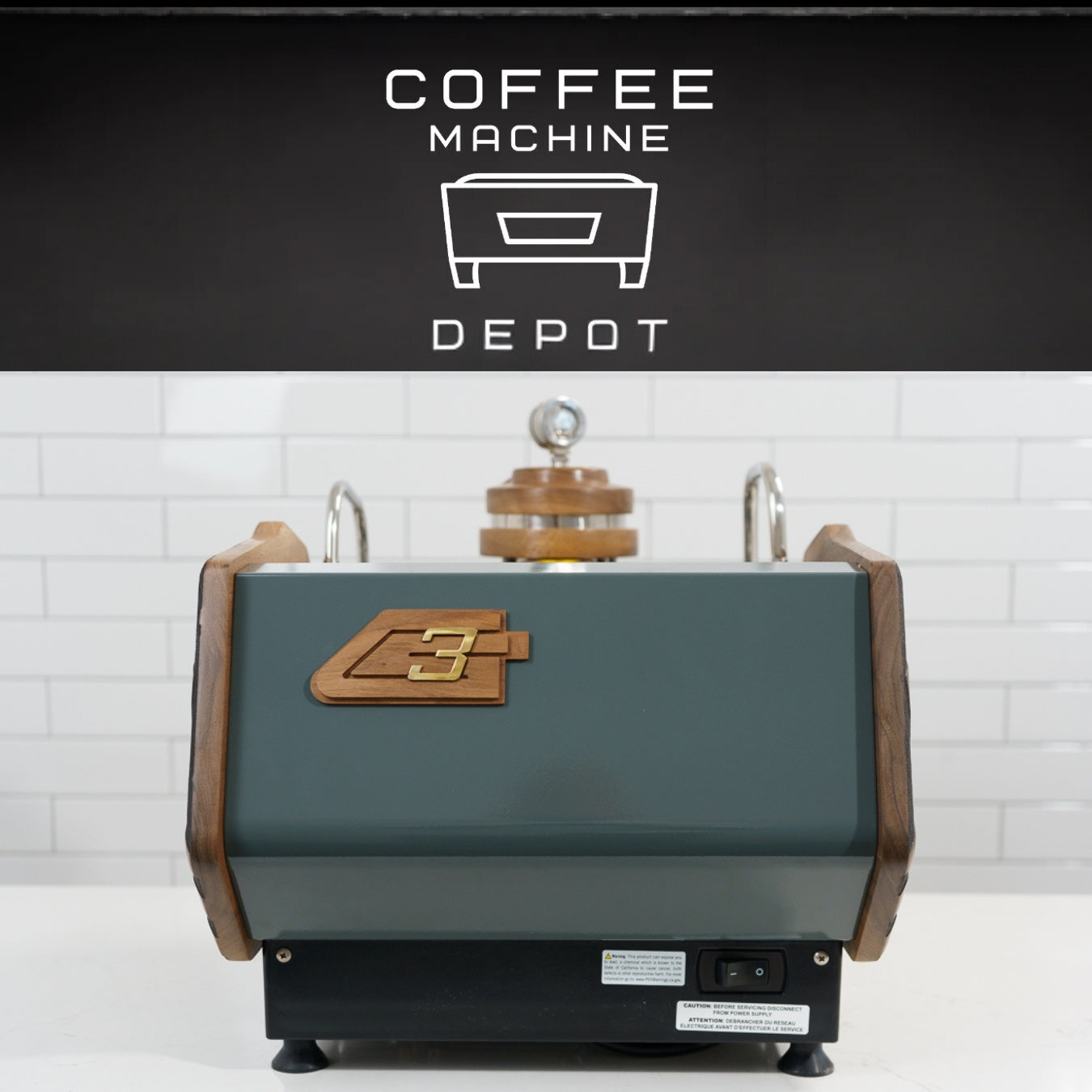
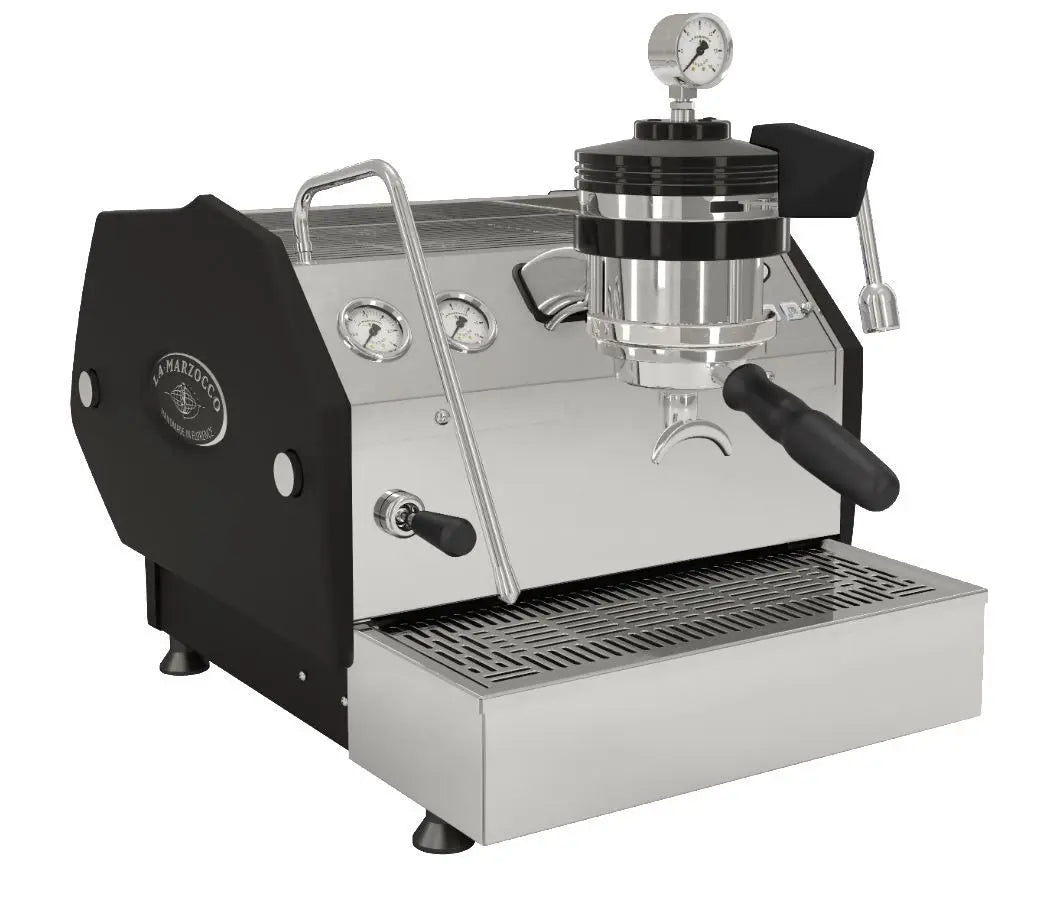
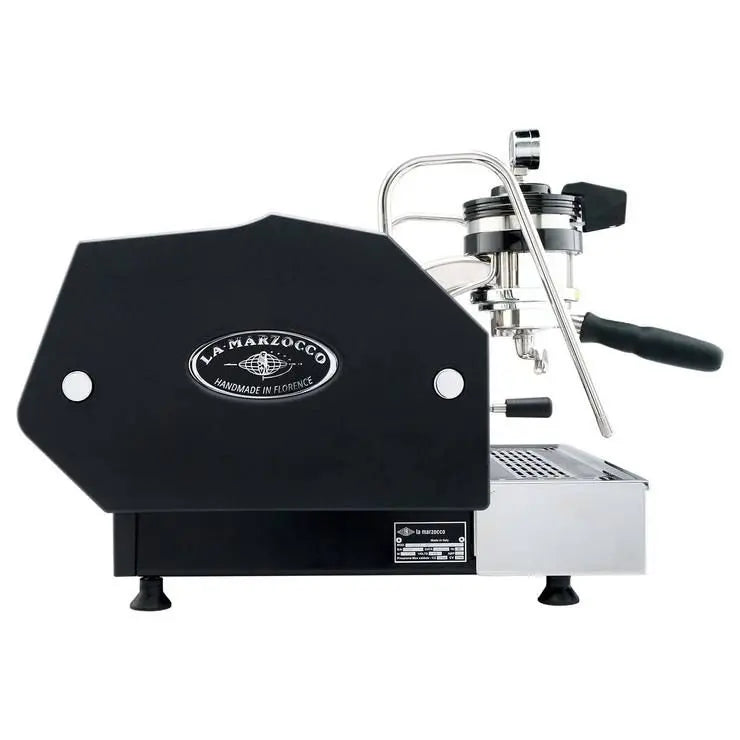
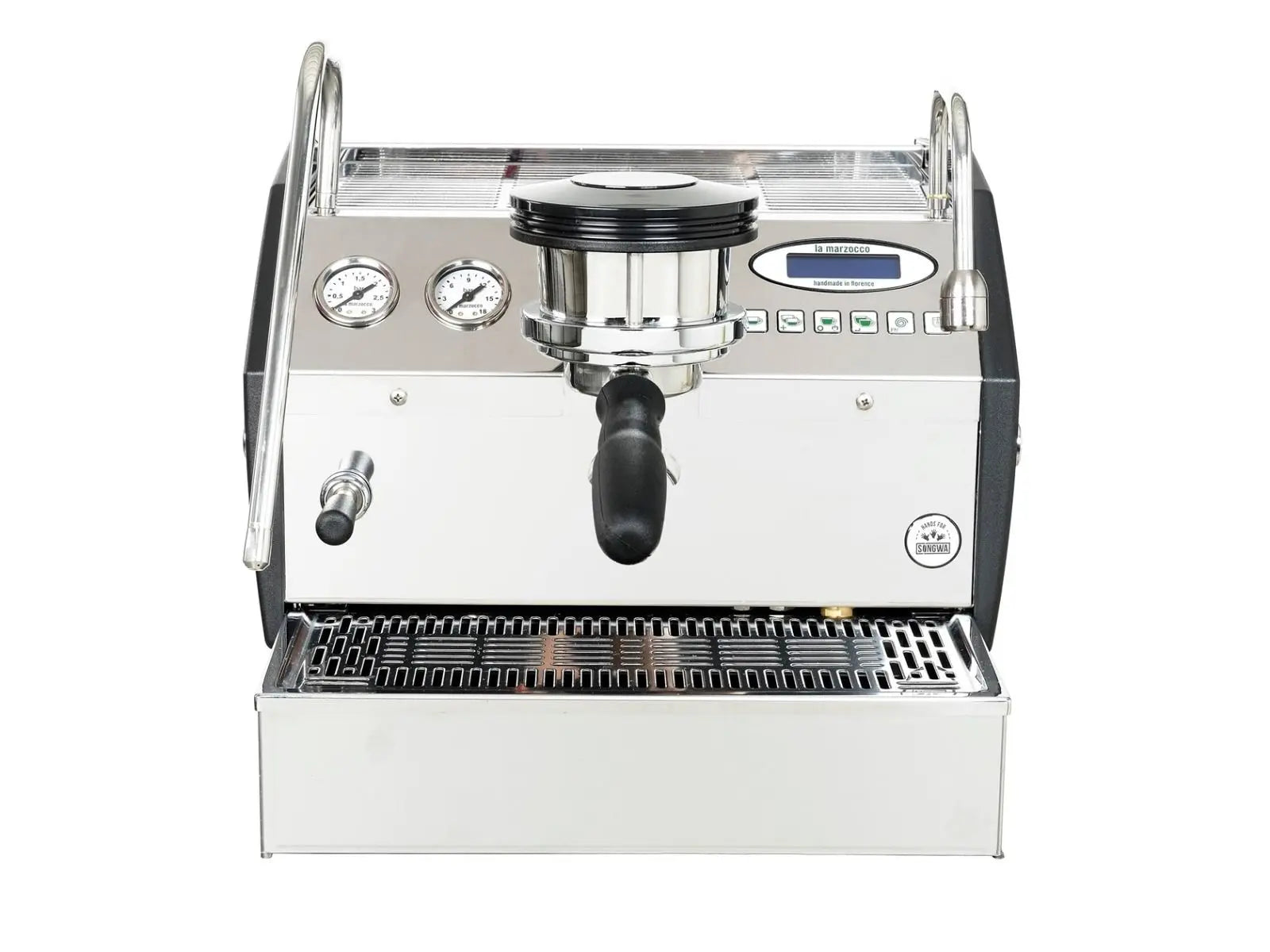
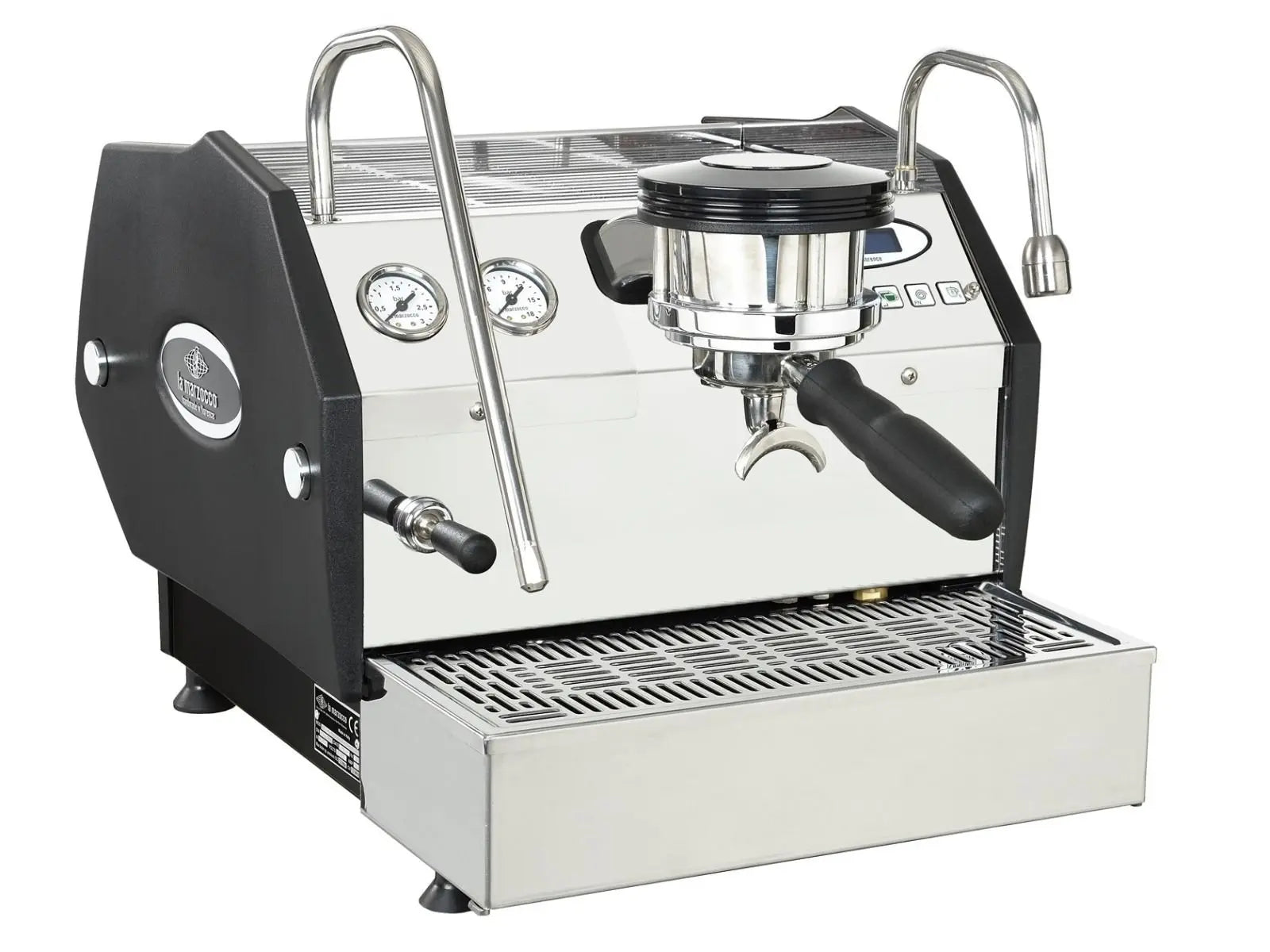
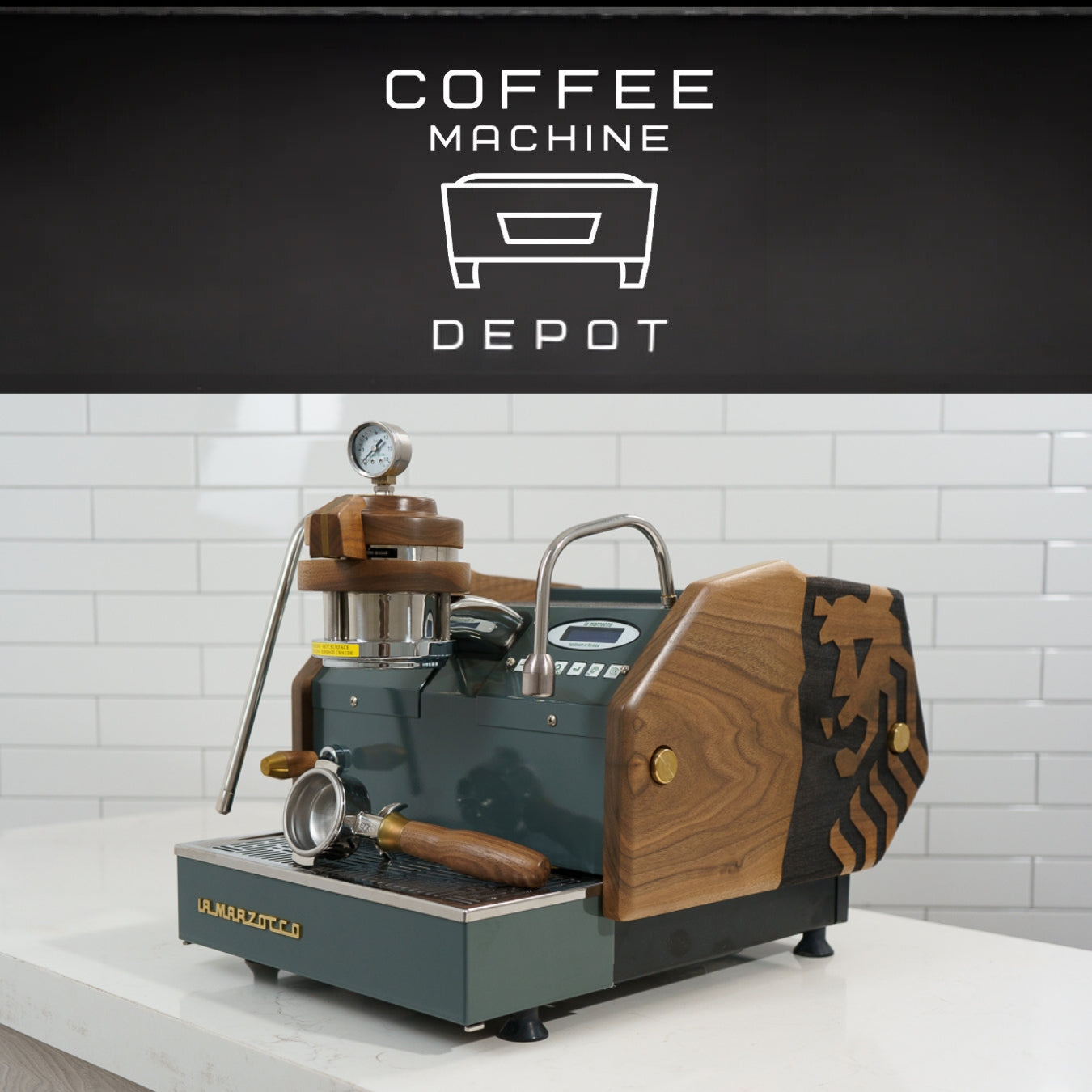
La Marzocco GS3 - Mechanical Paddle (MP) Espresso Machine La Marzocco
1.0
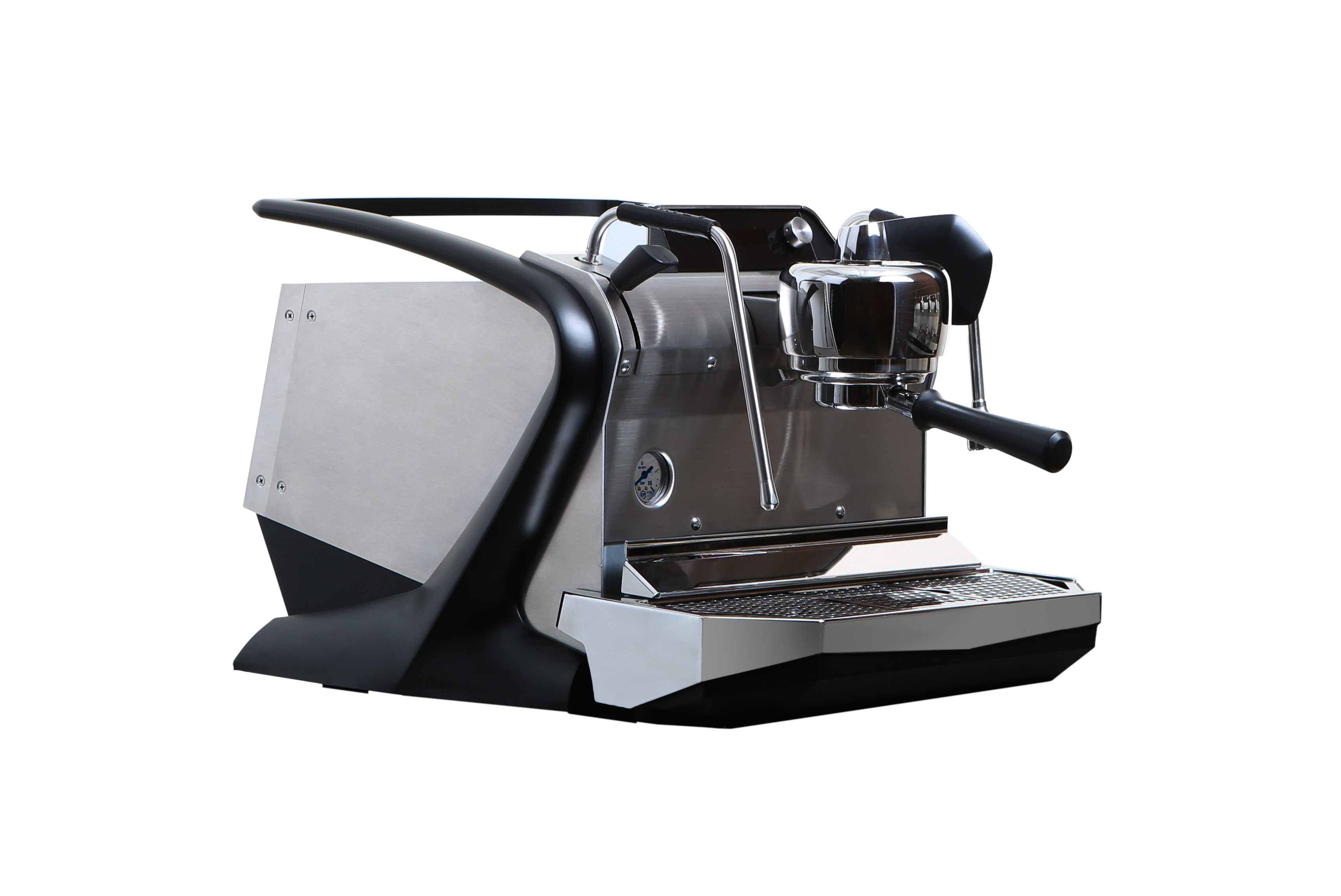
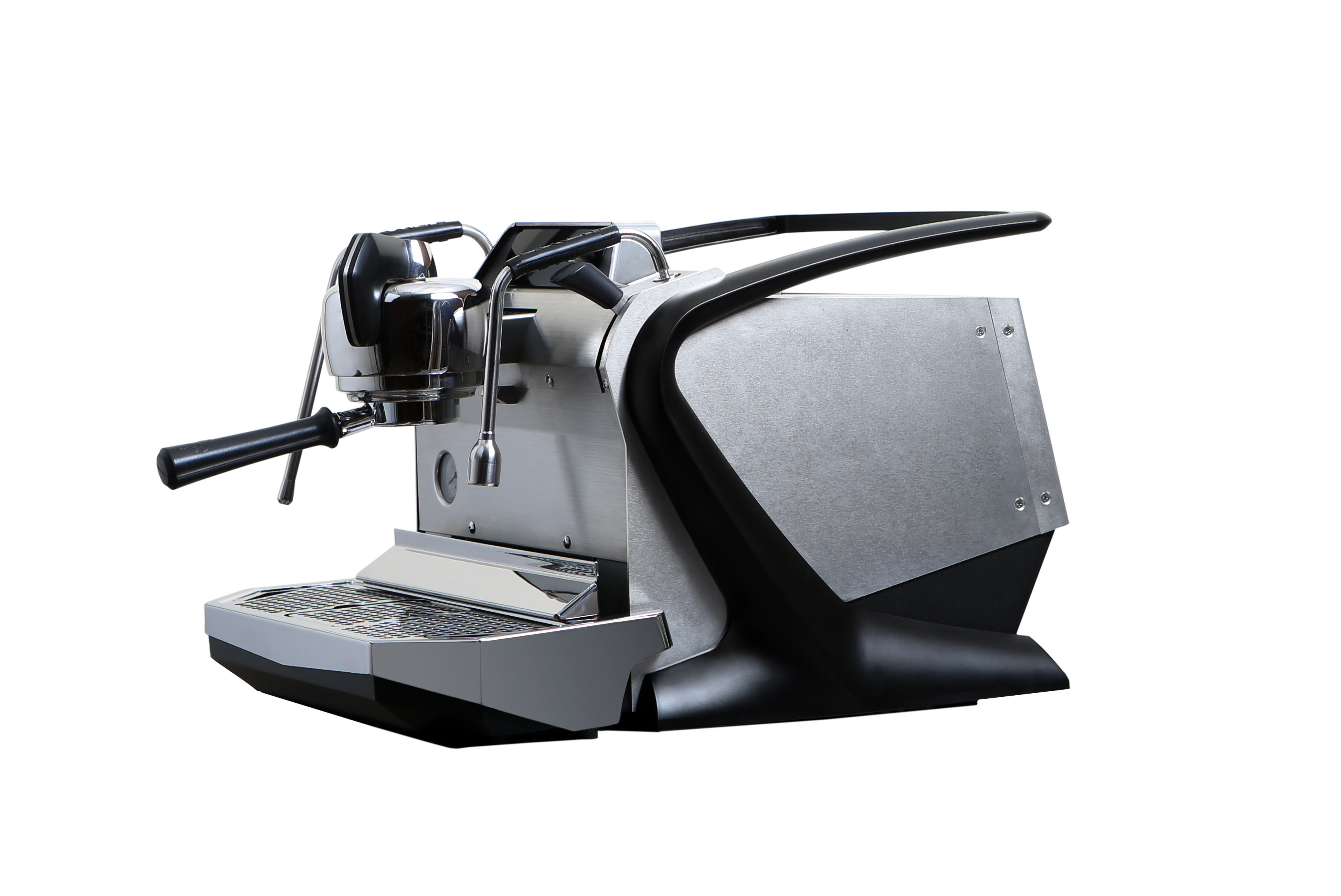
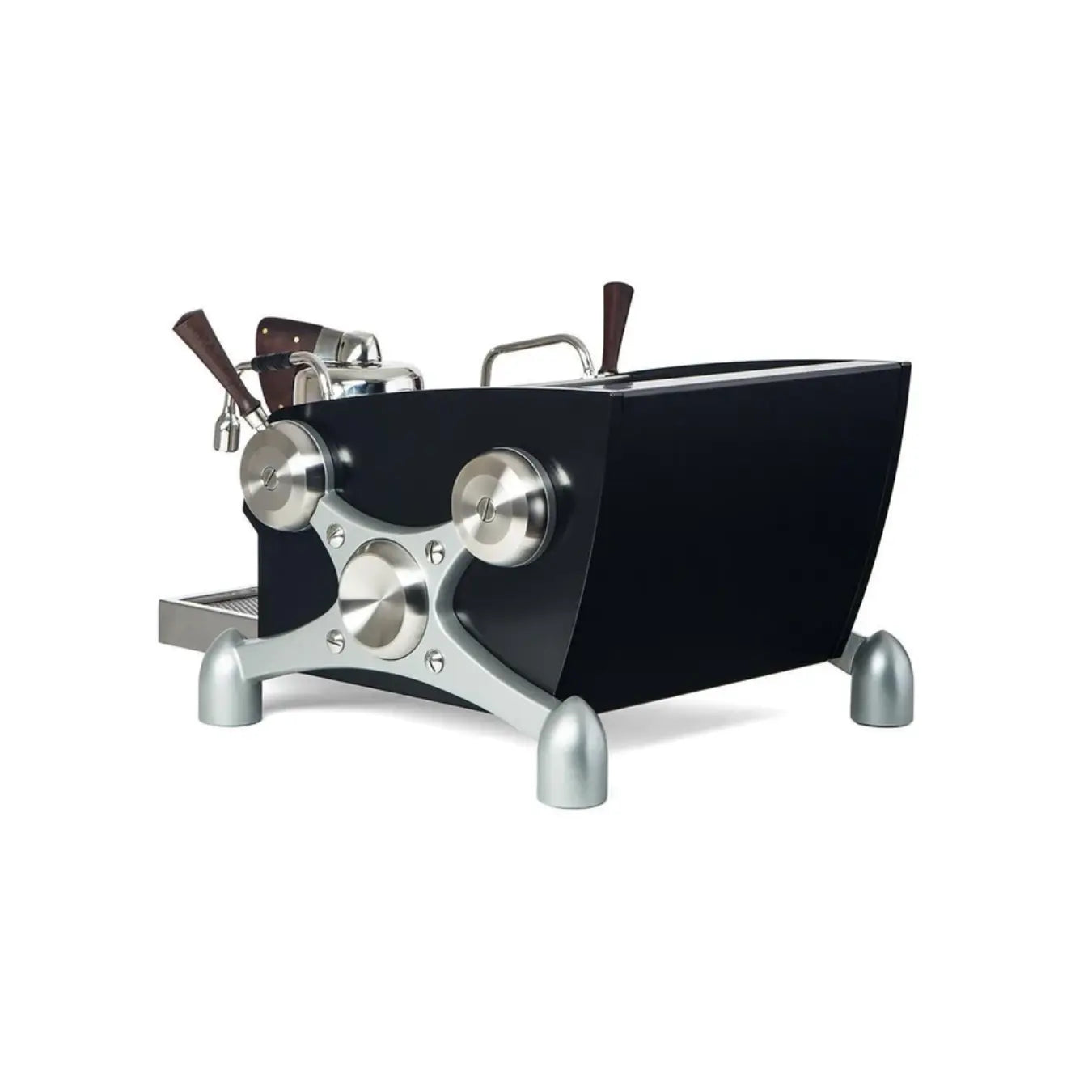
Slayer Steam Single Espresso Machine
Slayer Espresso 1 Group Slayer
5.0
Save 12%
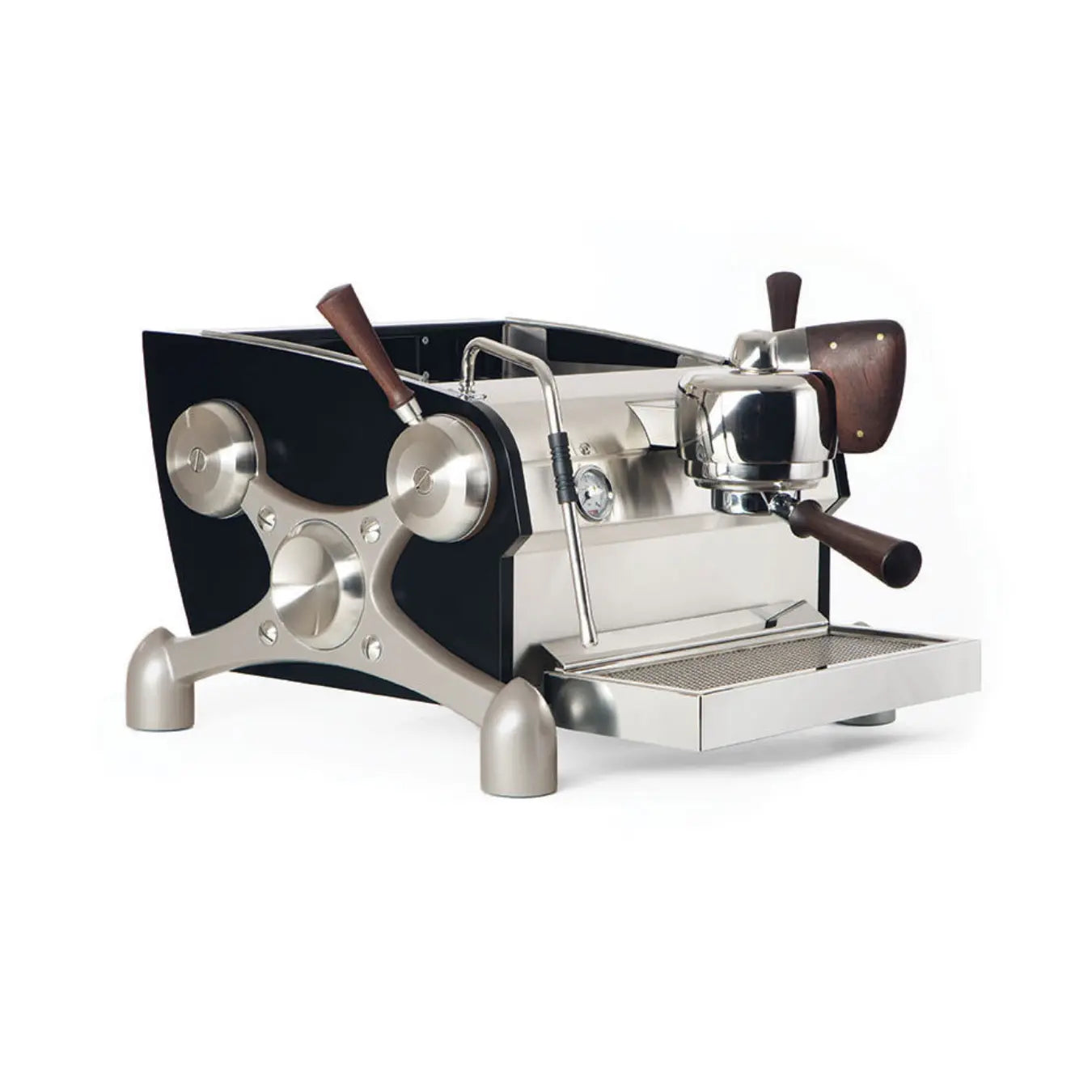
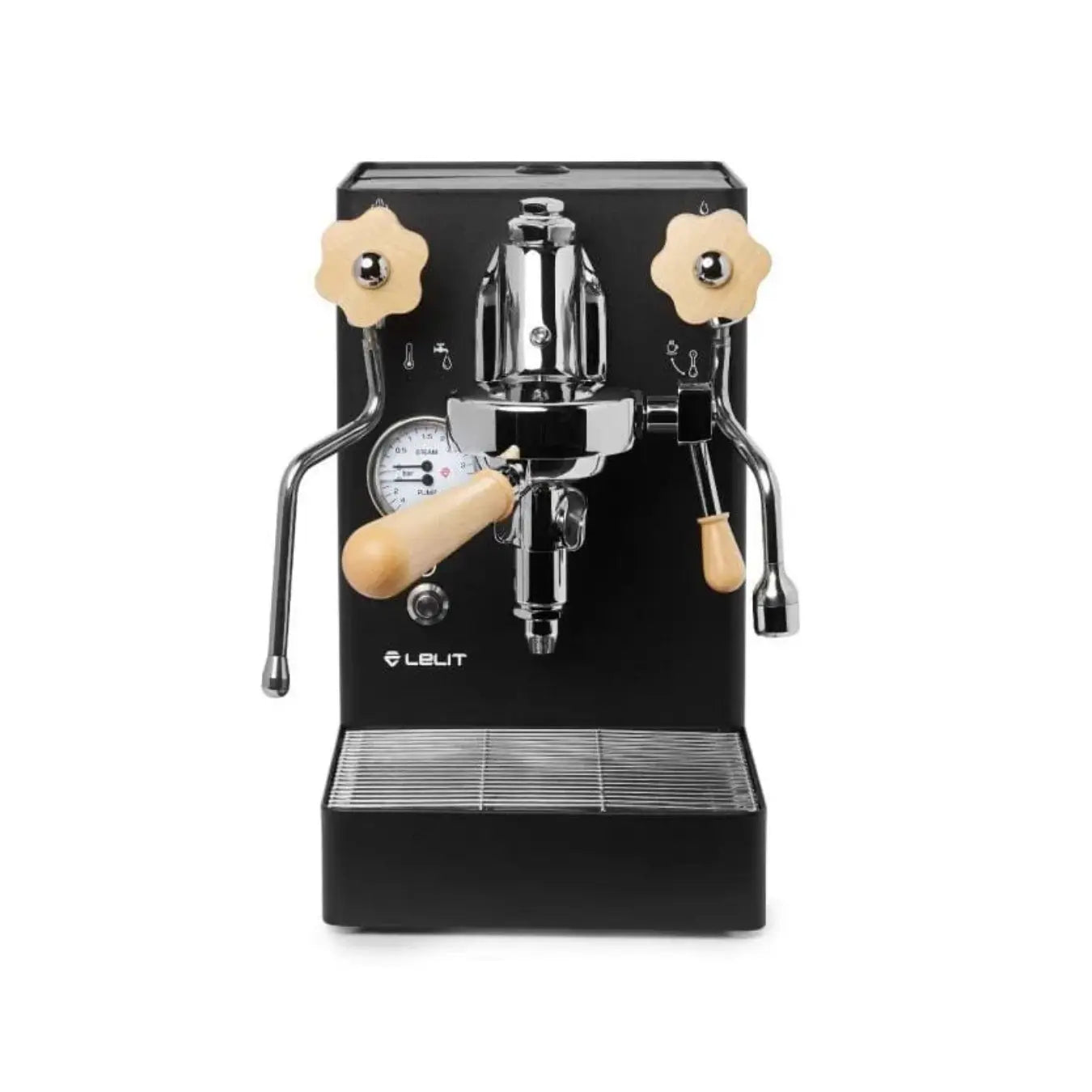
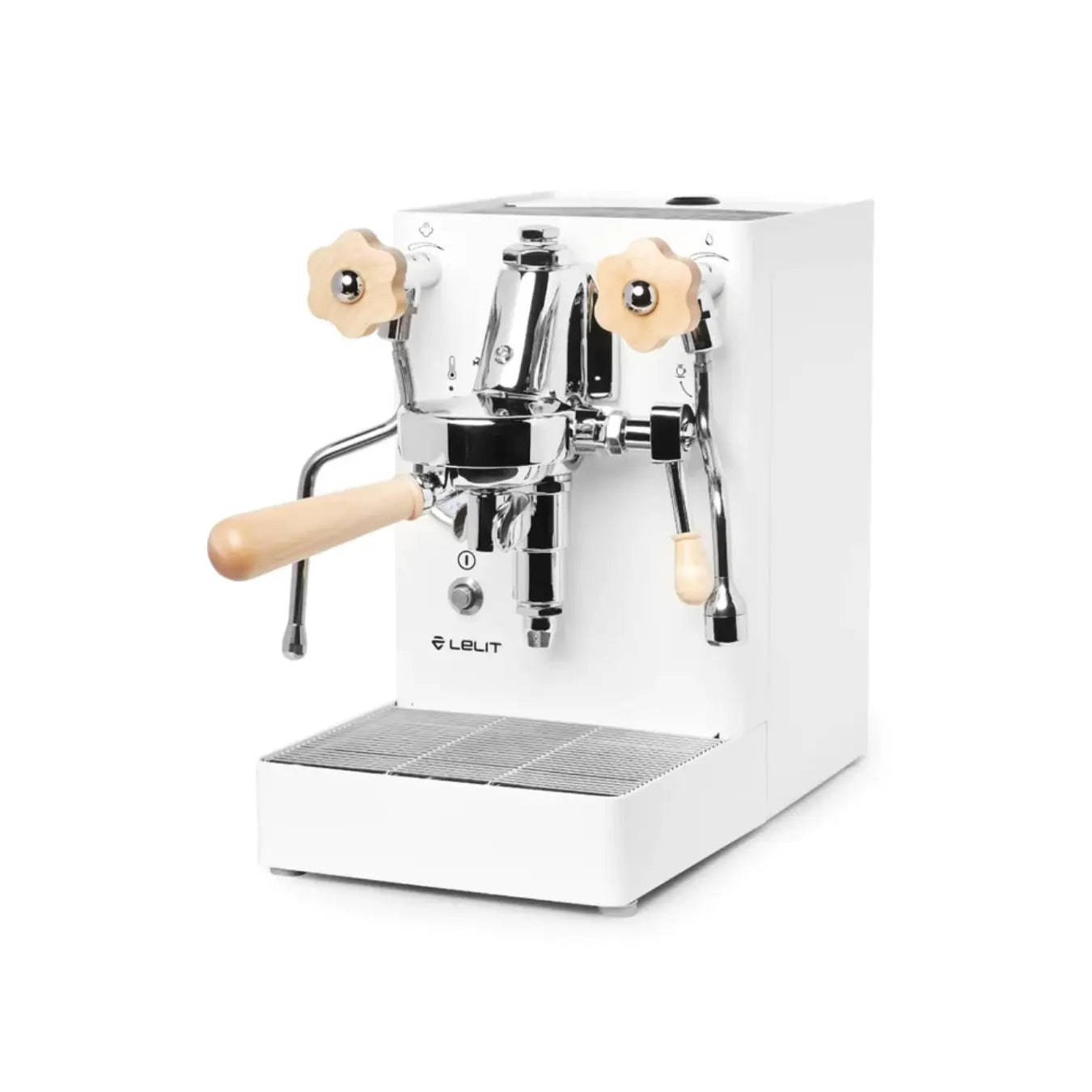
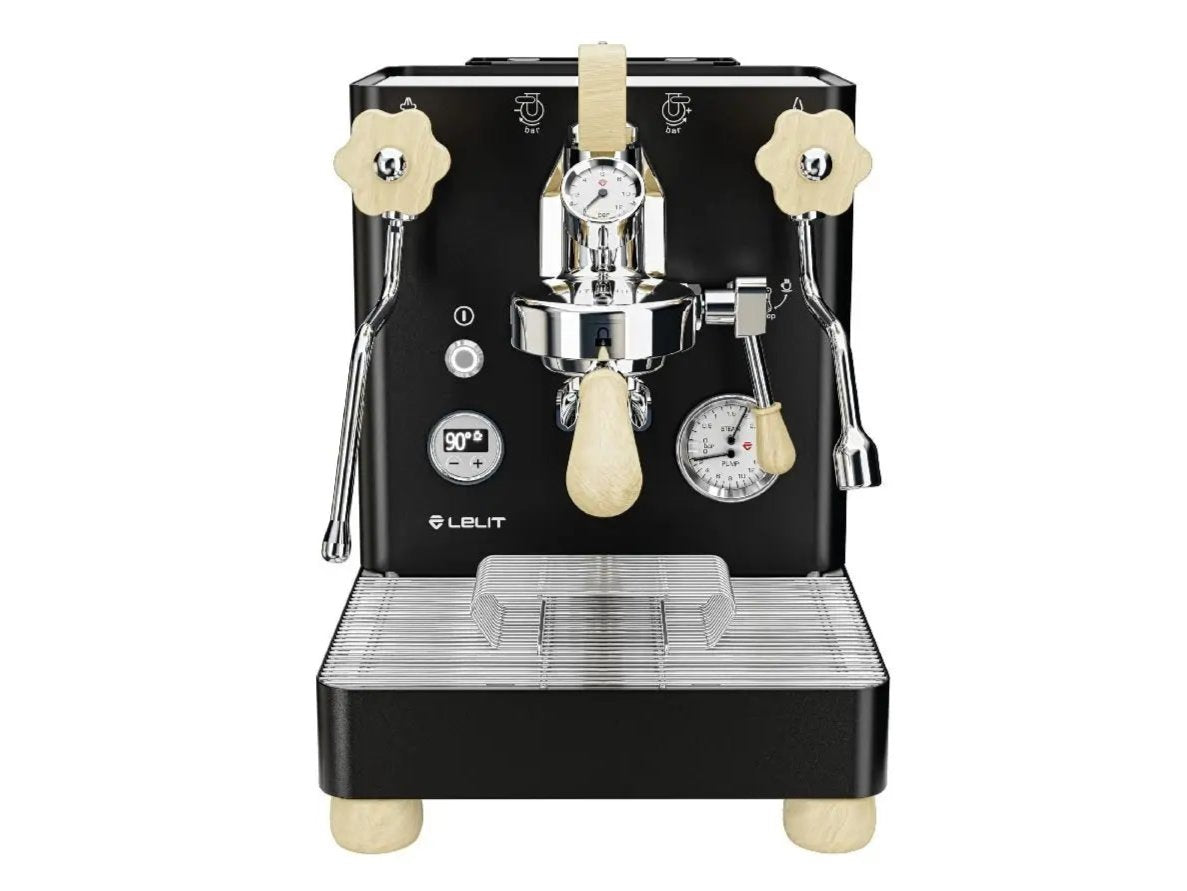
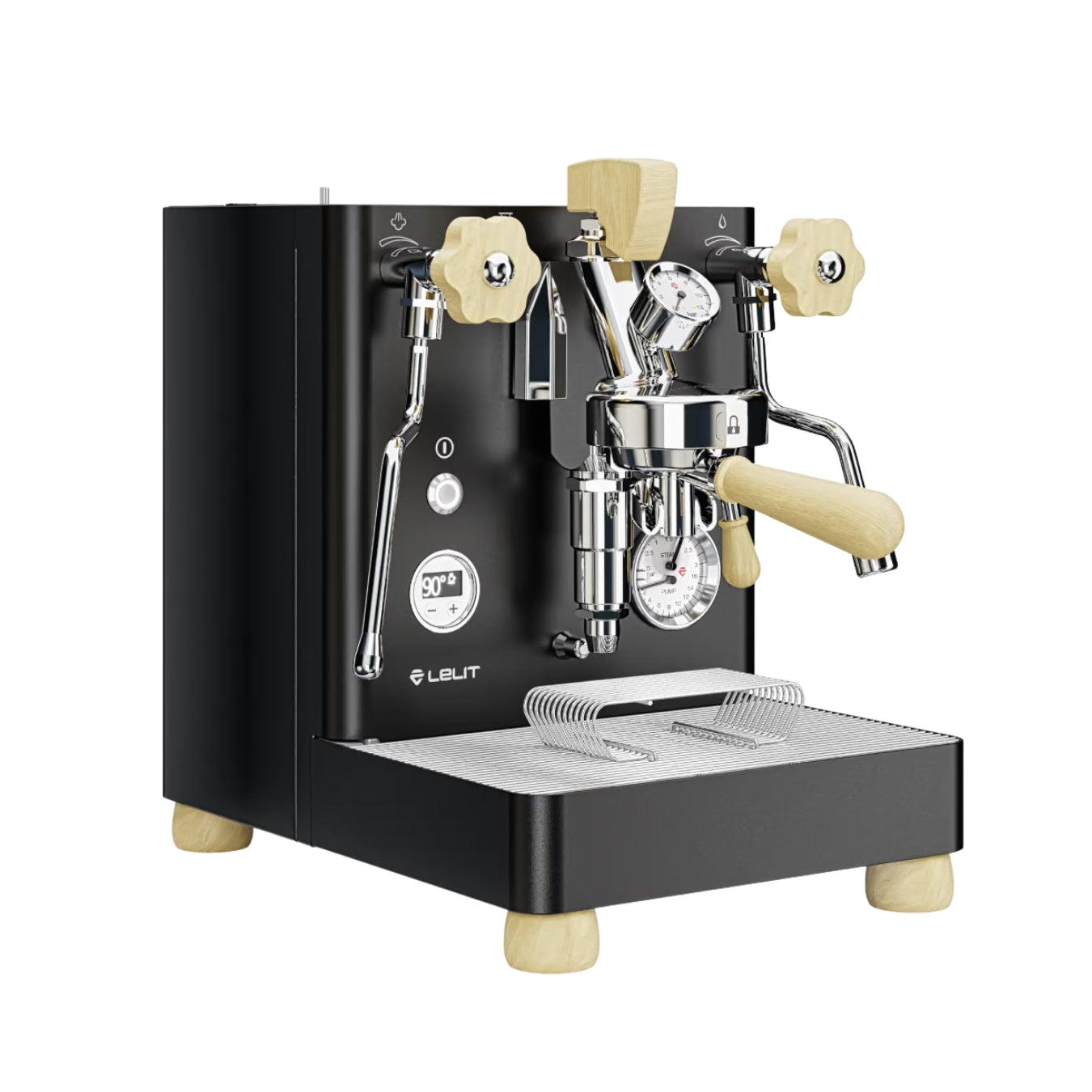
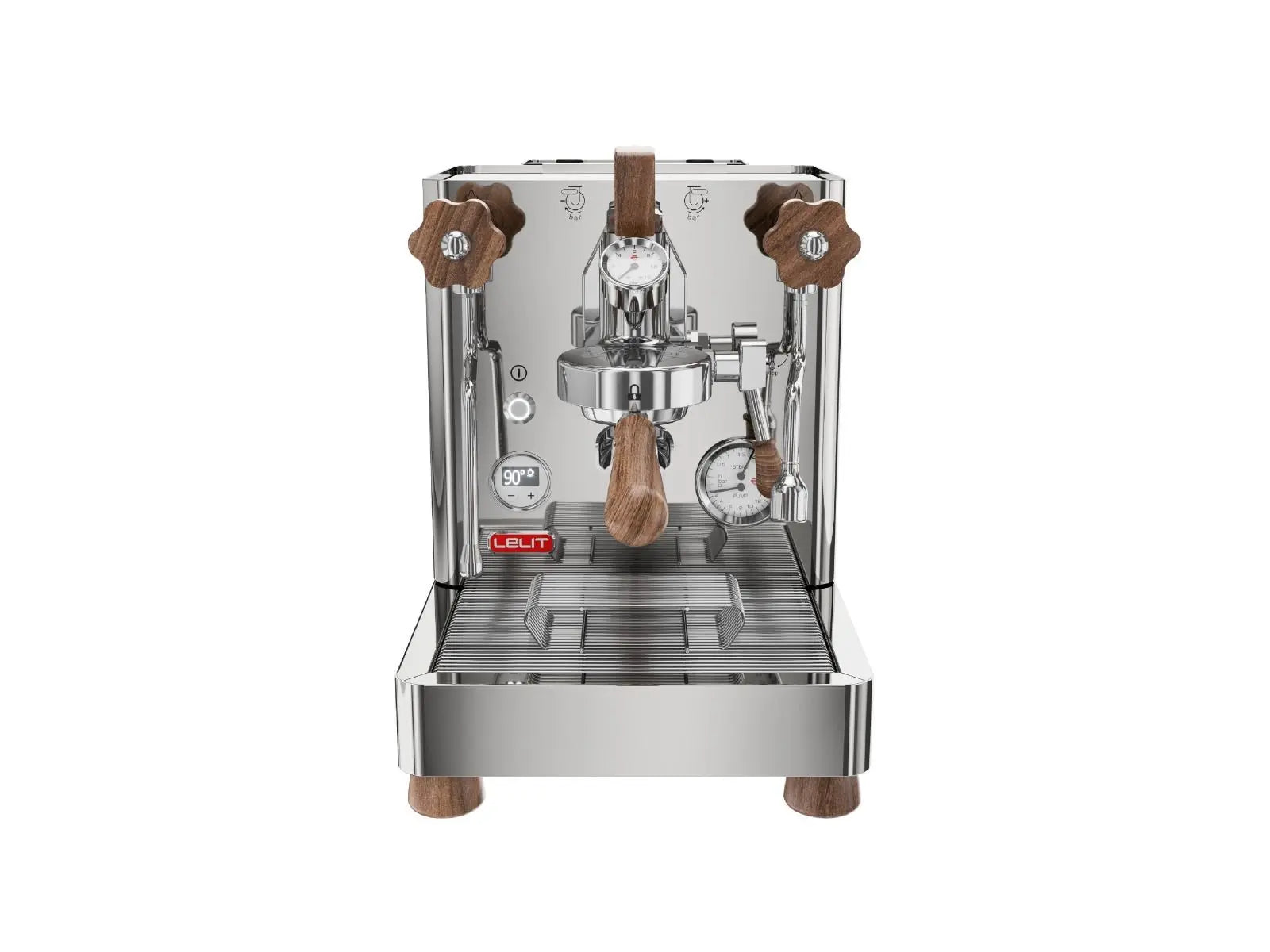
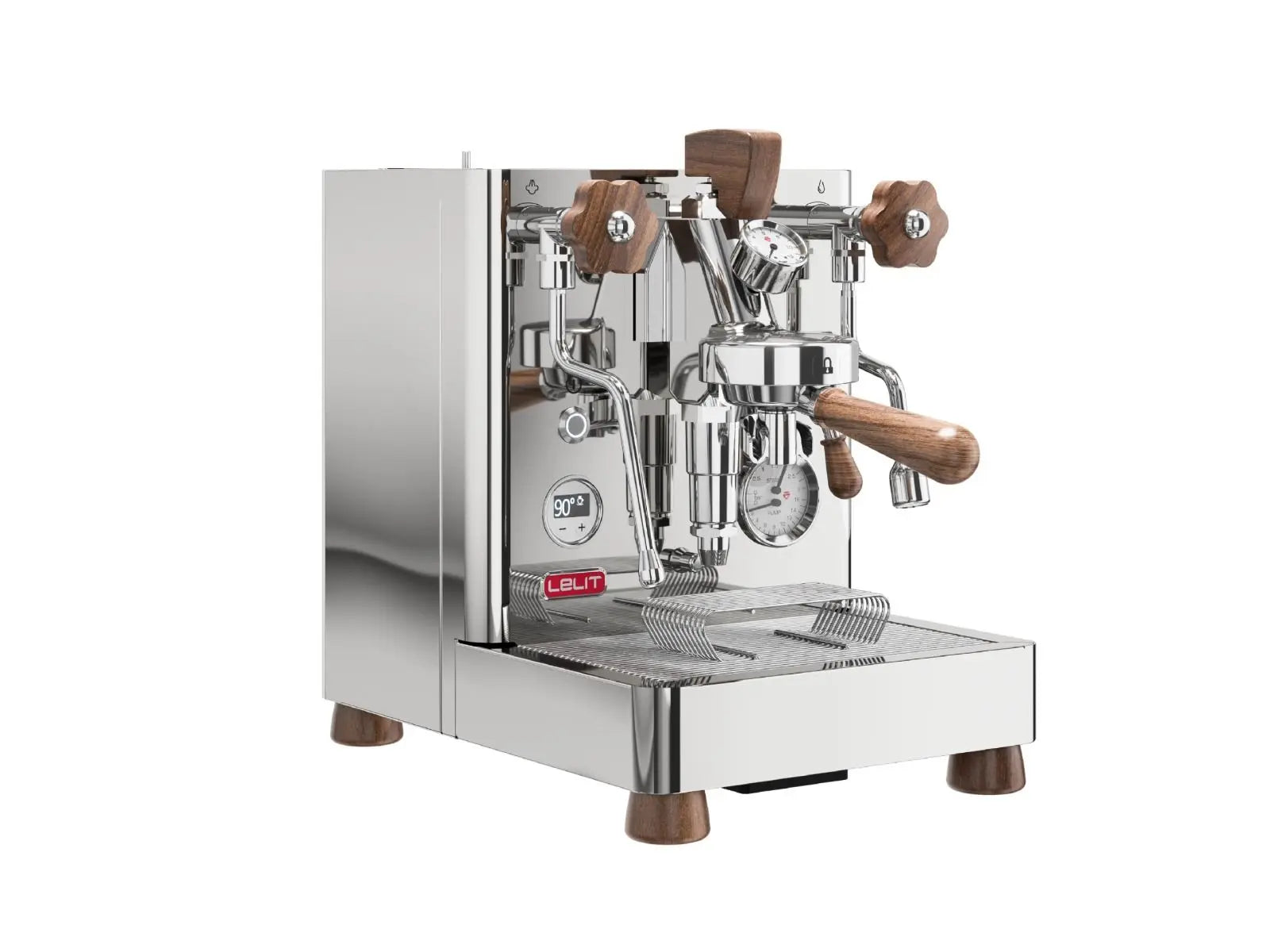
Lelit Bianca V3 Dual Boiler Espresso Machine Lelit

Lelit Bianca V3 1 Group Home Espresso Machine (Dual Boiler) - Black

Sale price$2,999.95Regular price $3,399.00
5.0
Save 12%
Lelit Bianca V3 Dual Boiler Espresso Machine Lelit

Frequently Asked Questions

How do I dial in my Home Espresso Grinder for a new bag of coffee?

Dialing in a Home Espresso Grinder for a new coffee starts with a baseline: set your grinder to your usual espresso setting and pull a shot, noting the yield and time. If the shot runs too fast and tastes sour, grind finer. If it runs too slow and tastes bitter or harsh, grind coarser. Target a 25–30 second extraction for a 1:2 brew ratio (e.g., 18g in, 36g out). Different roast levels require different grind settings — lighter roasts typically need a finer grind than darker roasts. With a quality Home Espresso Grinder from our collection offering stepless adjustment, you can make micro-adjustments until your shots are dialed in precisely.

How long do Home Espresso Machines last?

A well-built Home Espresso Machine can last 10–20+ years with proper maintenance. Commercial-grade brands like La Marzocco, Rocket Espresso, ECM, and Profitec construct their machines with stainless steel boilers, brass group heads, and commercial-quality components designed to be serviced and rebuilt — not thrown away. Consumer-grade appliances typically last 3–5 years before seals fail and parts become unavailable. If you invest in a quality machine from the Home Espresso Machines collection and descale regularly, replace gaskets as needed, and use filtered water, the machine will outlast virtually any kitchen appliance you own.

What is the difference between a Home Espresso Machine and a commercial espresso machine?

Home Espresso Machines are designed for lower daily volume — typically 1 to 20 drinks per day — with a focus on quality, precision, and fit within a residential kitchen. Commercial machines are built for continuous high-volume service, with larger boilers, faster recovery times, and components rated for 200 or more drinks per day. Many Home Espresso Machines in this collection use commercial-grade components — E61 group heads, rotary pumps, dual boilers — making the line between prosumer and entry commercial increasingly thin at the upper end of this collection.

Can I use a Home Espresso Machine for a coffee cart or small cafe?

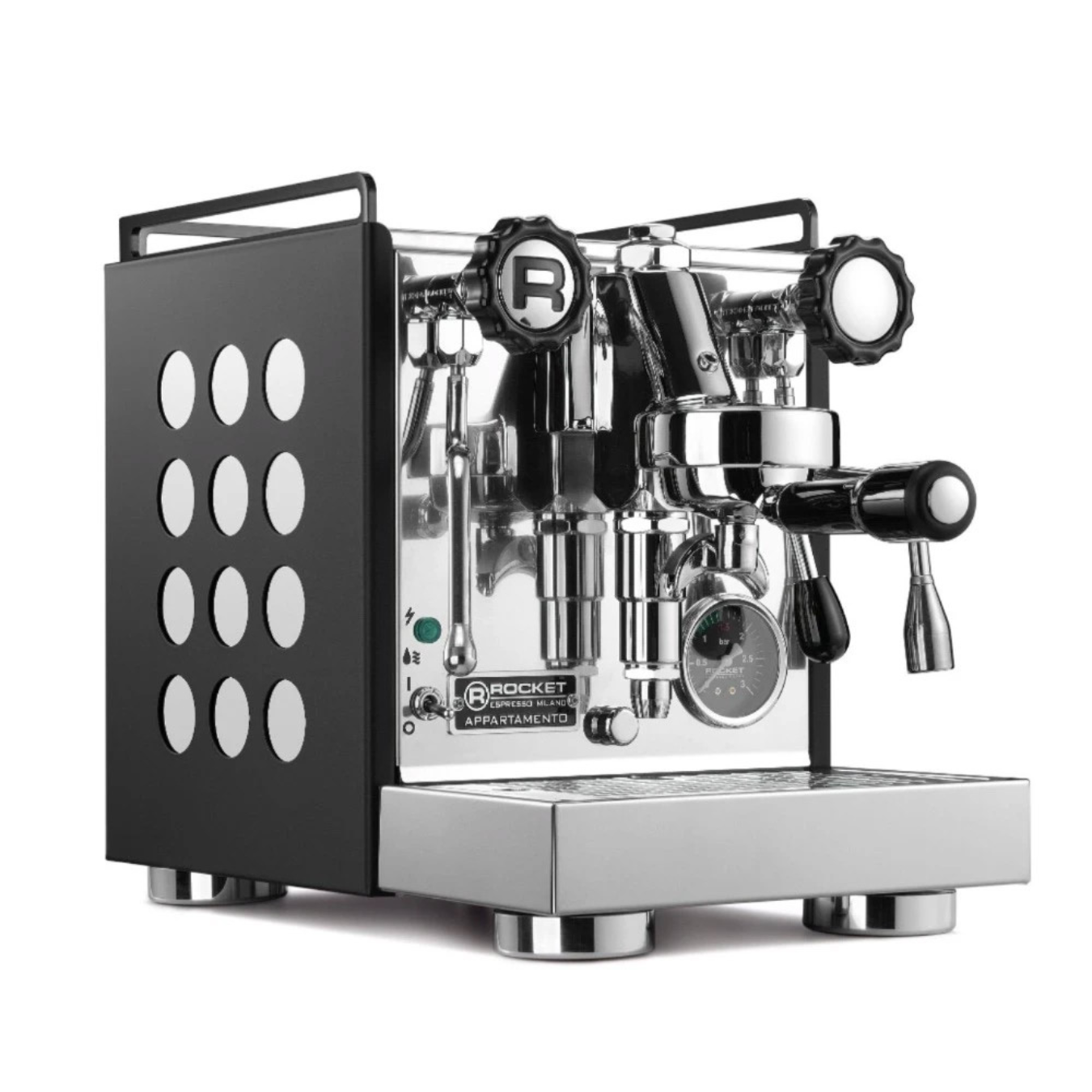
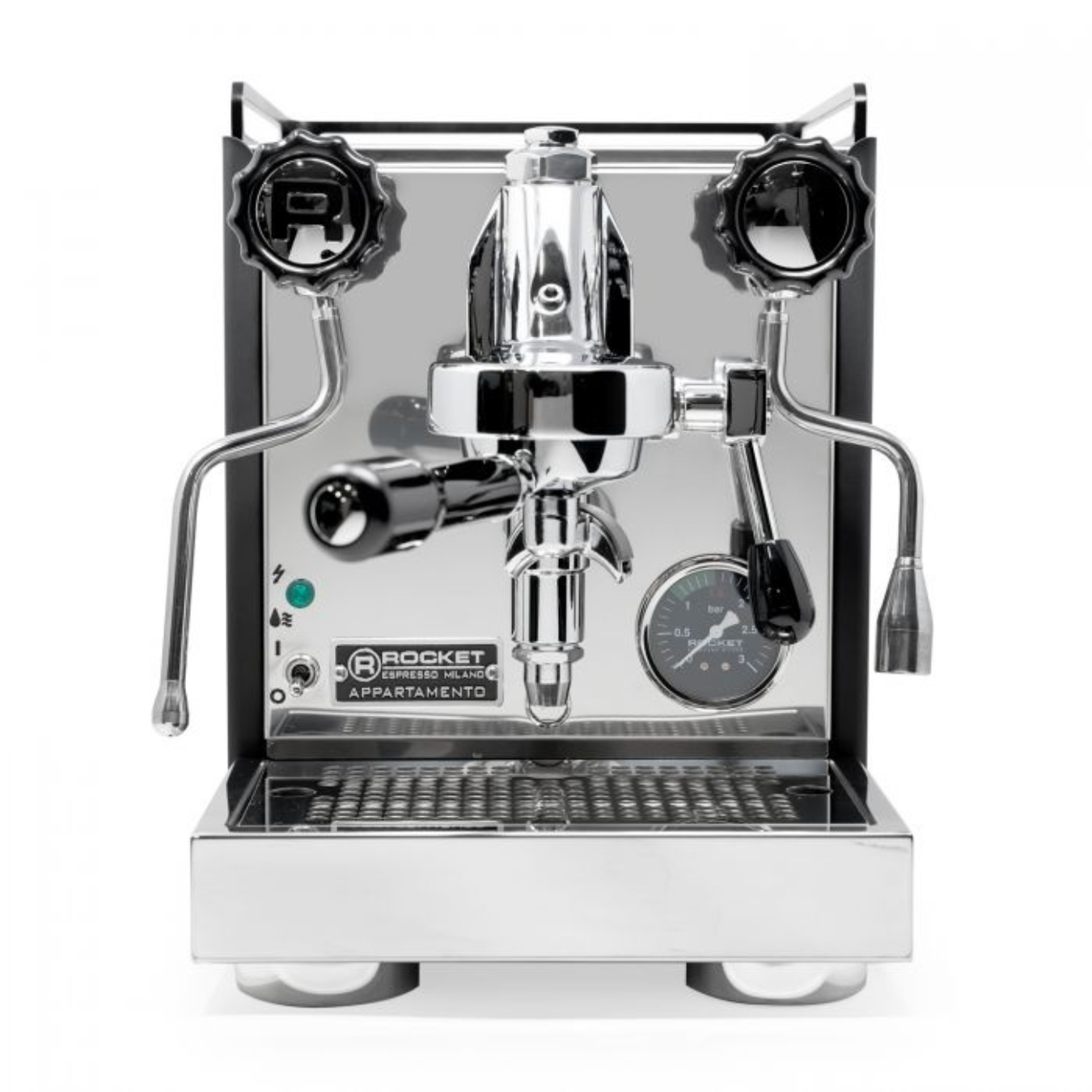
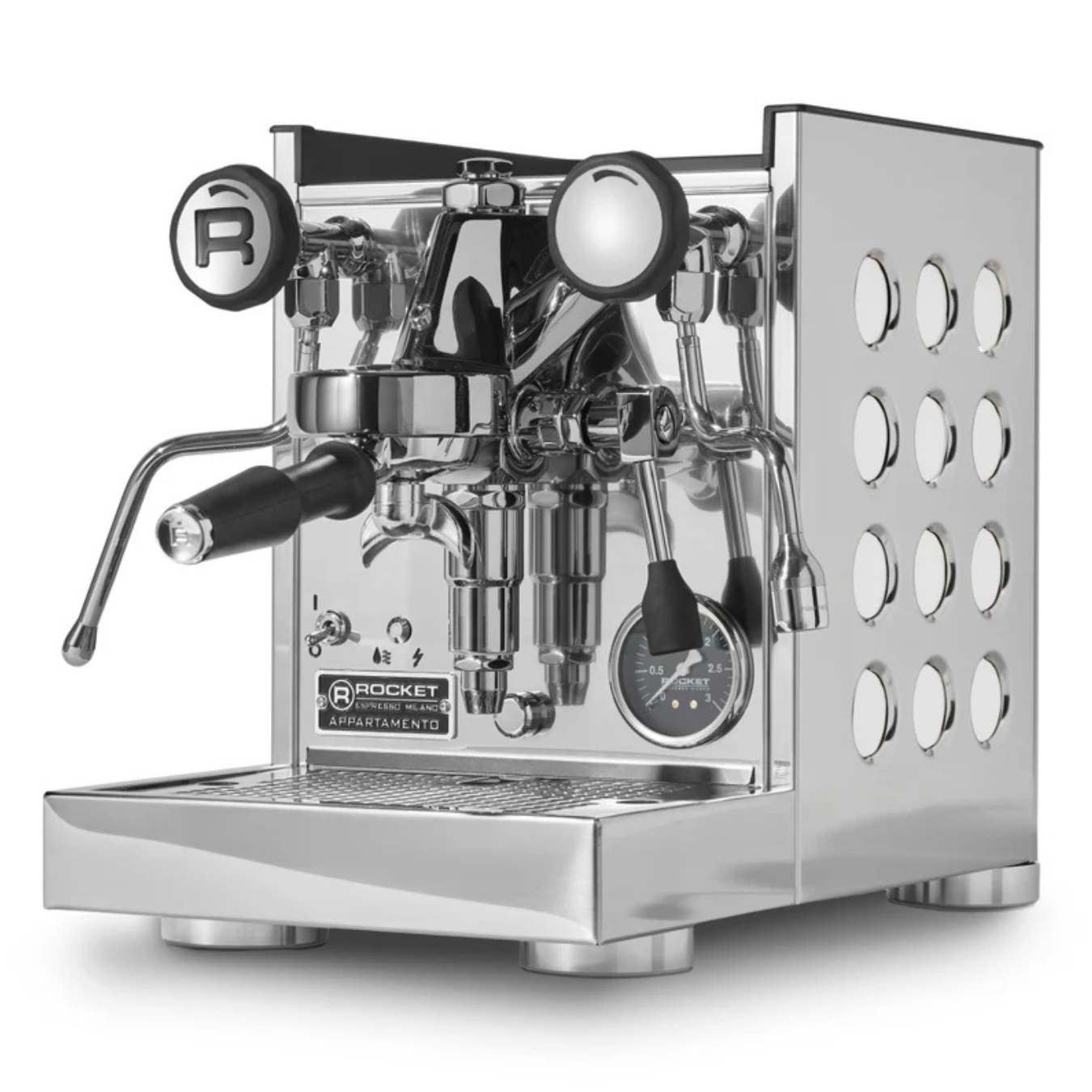
Several machines in the Home Espresso Machines collection — particularly heat exchanger models like the Rocket Appartamento 2.0 and ECM Classika — are used professionally in low-to-medium volume coffee carts and small cafe setups. They handle consecutive milk drinks without the bottleneck of a single boiler machine. For high-volume cafe use above 60 to 80 drinks per day, we recommend stepping up to a dedicated machine from the Commercial Espresso Machines collection for the throughput and service interval ratings required at that volume.

What maintenance do Home Espresso Machines require?

All Home Espresso Machines require weekly backflushing with espresso machine cleaner, monthly shower screen cleaning, and periodic boiler descaling based on your water hardness. Use filtered or softened water — it is the single most impactful thing you can do to extend machine life and reduce maintenance frequency. Annual group head gasket replacement and steam tip inspection are standard for most machines in this category. Most routine maintenance is accessible to a mechanically confident home barista without needing a technician.

Do Home Espresso Machines require plumbing to install?

Most home espresso machines include a water reservoir and require no plumbing to operate right out of the box. Many are also plumb-in capable, allowing a direct water line connection for continuous use without refilling. If you plan to pull more than 8 to 10 drinks daily or want a zero-interruption setup, plumbing in is worth considering. Your dealer can advise on which Home Espresso Machines support plumb-in and what the installation involves for your specific model.