How to Start a Coffee Cart Business
Coffee carts are one of the lowest barrier entries into the specialty coffee industry. The overhead is a fraction of a full cafe build-out, the location flexibility is enormous, and the product margins are some of the best in food service. But a low barrier does not mean low standards. The equipment you choose, the water you use, and the permits you secure all determine whether your cart becomes a real business or an expensive hobby.
This guide covers the practical decisions that matter: machine selection, power requirements, startup budgets, permit navigation, and the margin math that separates profitable carts from ones that close within a year. Every number you see here comes from real operator experience and equipment specifications.
01 Why Coffee Carts Work
A full cafe build-out in a major metro area runs between $150,000 and $500,000 depending on the space, equipment, and permit complexity. A coffee cart can be operational for under $15,000. That difference changes everything about the risk profile.
Carts succeed because they combine three advantages that fixed locations cannot match: mobility, low fixed costs, and the ability to test locations before committing to a lease. If a farmers market slot underperforms, you move to a different one next weekend. If a corporate park dries up in summer, you shift to festival season. The cart goes where the customers are.
The product itself carries remarkable margins. A double espresso costs roughly $0.45 in beans and $0.15 in milk for a latte. At a $5.50 selling price, you are looking at north of 70% gross margin before labor. Very few food service categories offer that kind of margin on a product people buy every single day.
The best coffee carts are not cheaper versions of cafes. They are a different business model entirely: high margin, low overhead, location-flexible operations that can be profitable from month one if the equipment and menu are dialled in correctly.
02 Startup Costs
The total investment depends on whether you are building a basic drip and pour-over cart or a full espresso operation. The gap between these two approaches is significant, and the choice should be driven by your target market, not your budget alone.
The espresso machine is the single largest line item and the one that most directly affects your product quality. Cutting corners here creates problems that compound: inconsistent shots, slow service during rushes, and maintenance headaches that cost more than the savings.
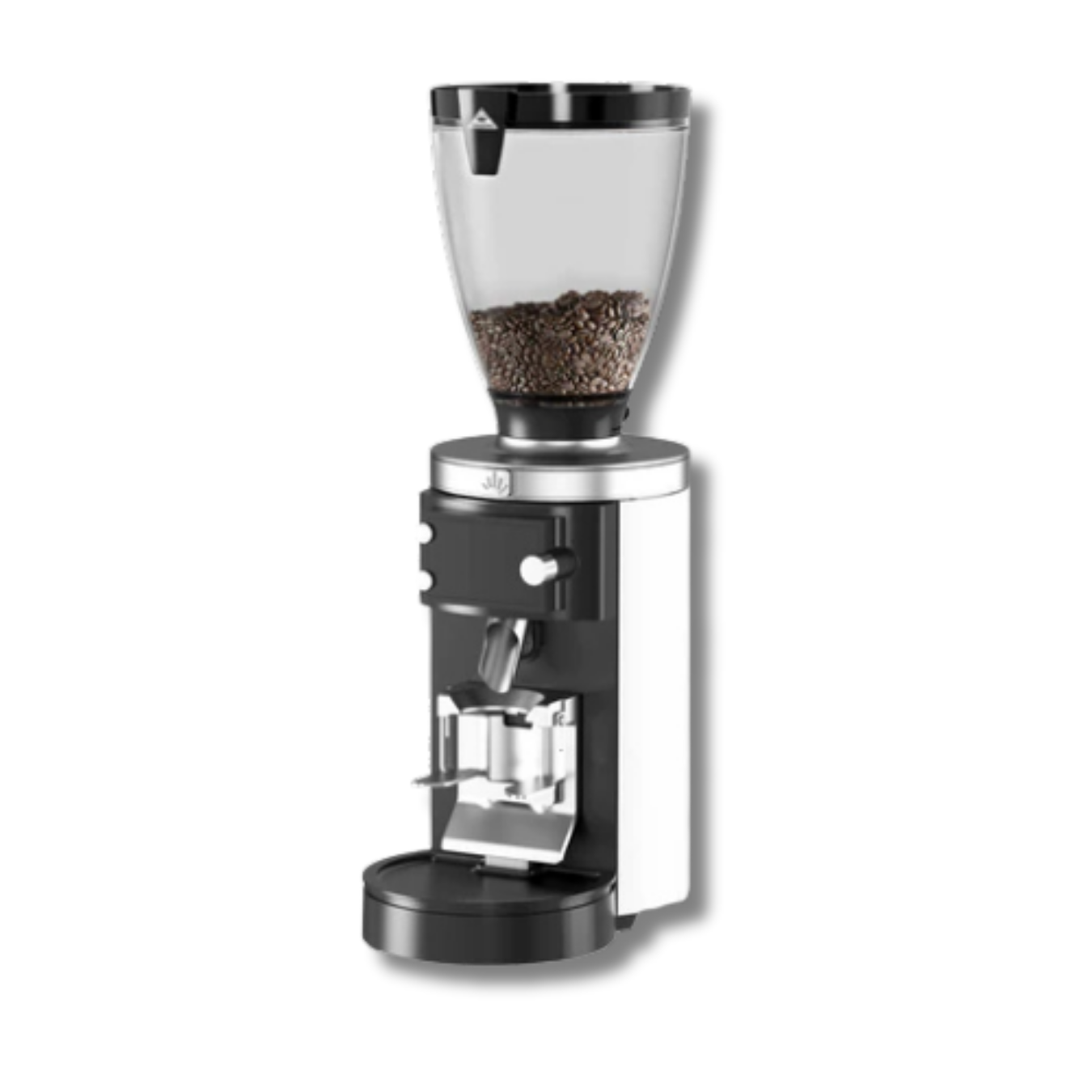
A used commercial grinder is often the smartest allocation of a tight budget. Grind quality affects extraction more than almost any other variable, and commercial grinders hold their value well. A $1,200 refurbished Mazzer or Eureka will outperform a $500 prosumer model by a wide margin.
03 Choosing Your Machine
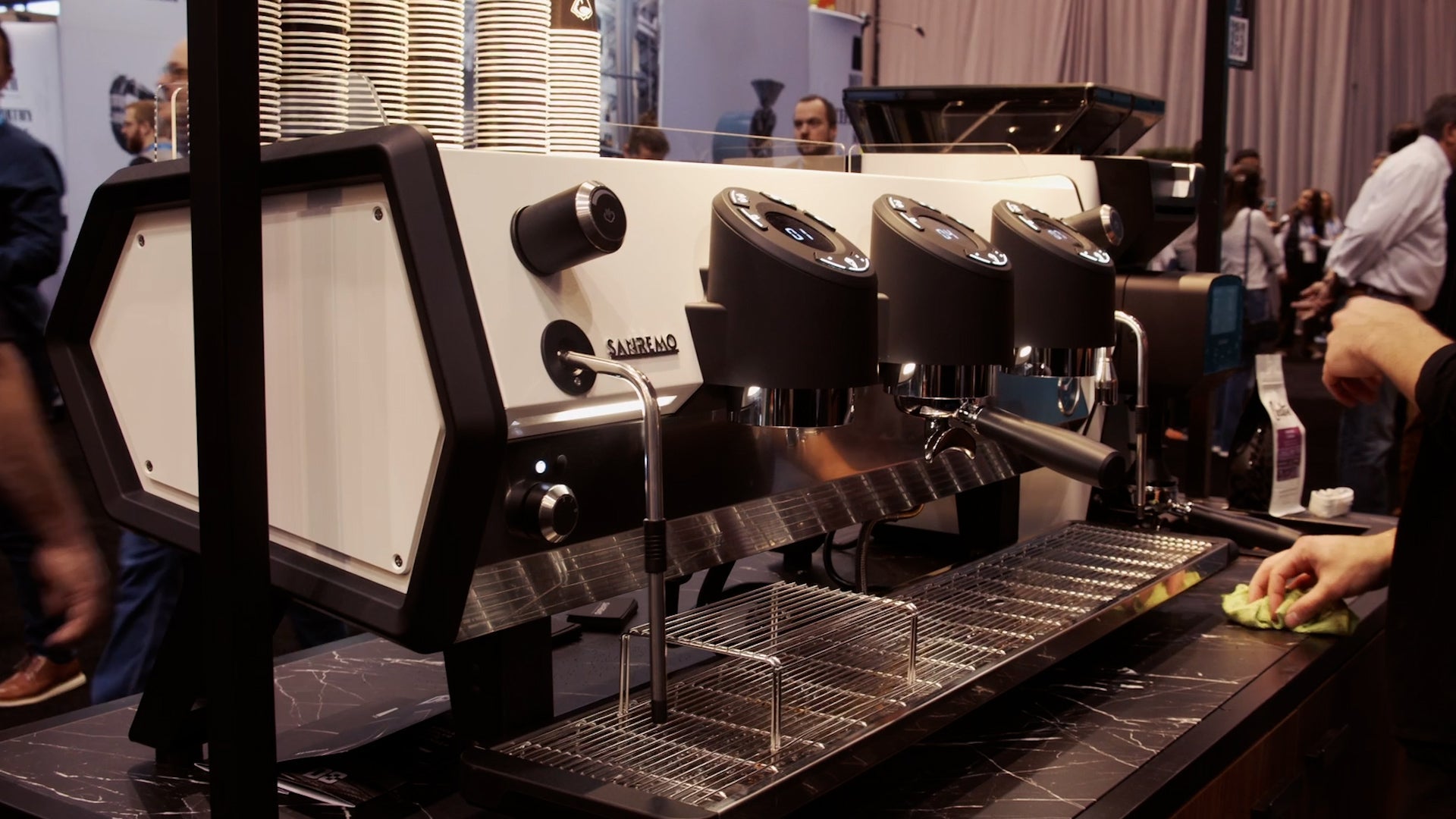
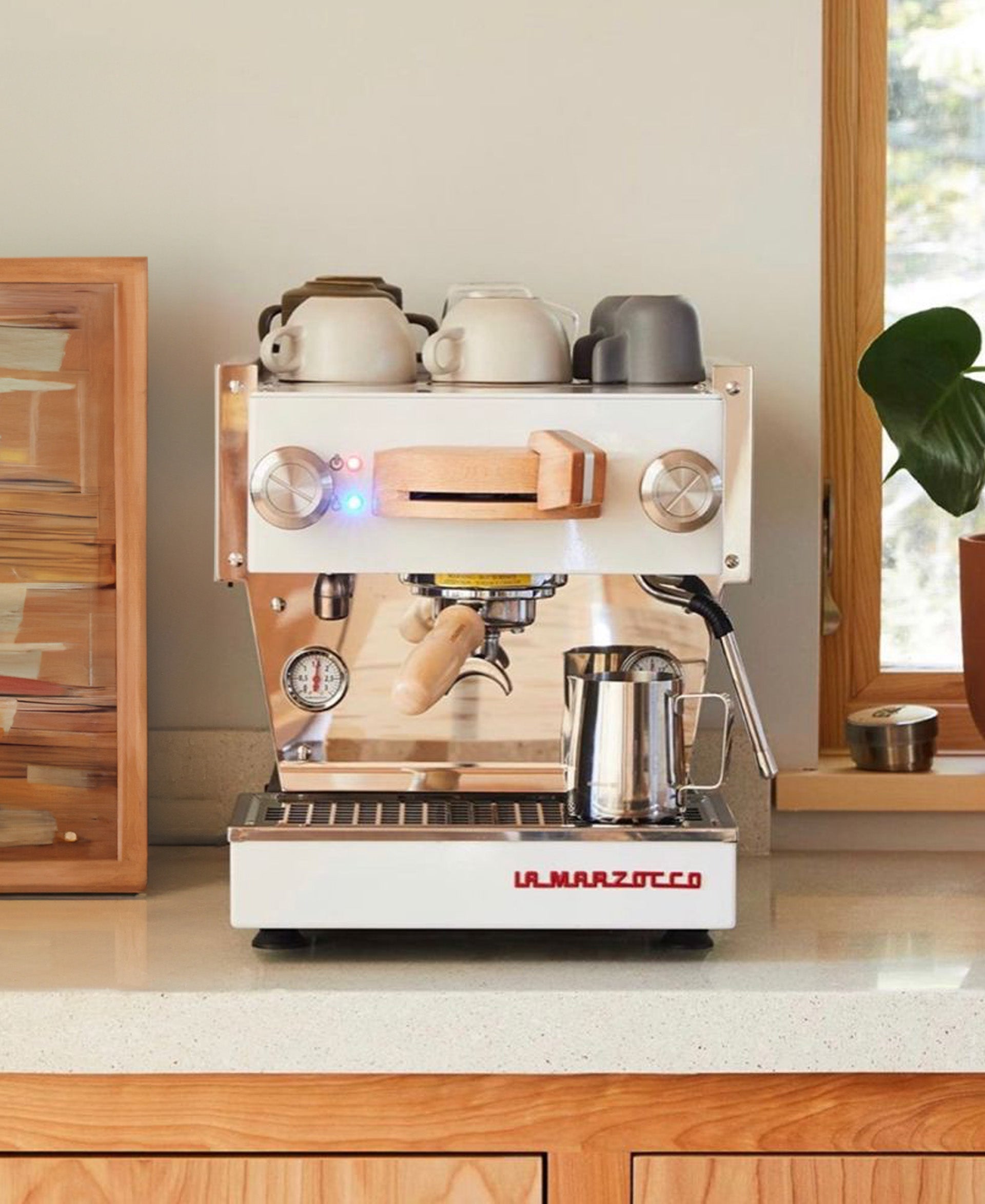
The right espresso machine for a cart is not the same as the right machine for a cafe counter. Cart machines need to handle three constraints that most fixed-location machines never face: limited power, limited water supply, and constant transport vibration.
Single Boiler vs. Heat Exchanger vs. Dual Boiler
Single boiler machines are the most compact and power-efficient option. They work well for carts serving fewer than 50 drinks per session. The trade-off is a pause between pulling shots and steaming milk, which slows you down during peak periods.
Heat exchanger machines solve the simultaneous brewing and steaming problem at a moderate power cost. For most cart operators doing 50 to 100 drinks per session, this is the sweet spot. Machines like the Rocket Appartamento or Profitec Pro 500 are popular cart choices for good reason: reliable, reservoir-fed, and able to handle a moderate rush.
 Dual boiler machines are overkill for most carts, but if you are operating at high-volume events (music festivals, trade shows, corporate catering), the independent temperature control and continuous output justifies the extra power draw and weight.
The machine you choose determines your ceiling. Everything else, the grinder, the beans, the technique, only matters if the machine can deliver consistent pressure and temperature.
04 Water and Power
These two constraints define the practical limits of your cart operation. Every equipment decision downstream, from machine selection to daily capacity, flows from how you solve water and power.
Water Supply
Most cart machines run off internal reservoirs, typically 2.5L to 5.0L. A standard double espresso uses roughly 36mL of water at the group head, plus additional water for steaming. Plan for approximately 150mL total per milk-based drink when accounting for steam, waste, and rinsing.

Invest in a quality inline filter or a portable filtration pitcher designed for coffee. The SCA recommends water between 75 and 150 ppm TDS for optimal extraction. Too soft and the coffee tastes flat; too hard and you get scale buildup that shortens your machine's life and muddies flavour.
Power Solutions
Your machine's wattage dictates your generator size. A heat exchanger single group machine drawing 1,500W needs a generator rated for at least 2,000W continuous output (the startup surge is higher than the running draw). Add your grinder (200W to 350W) and you need headroom for both to run simultaneously.
Honda EU2200i and equivalent inverter generators are the industry standard for coffee carts. They produce clean sine wave power that electronics prefer, run quietly enough for farmers markets and office parks, and offer 8 to 10 hours on a single tank at quarter load.
If your location offers shore power (a standard outlet), always use it. Generator fuel, maintenance, and noise are ongoing costs. Prioritise locations that provide power and subtract those costs from your pitch when negotiating placement fees.
05 Permits and Licensing
Permit requirements vary dramatically by jurisdiction, and this is the area where most new cart operators underestimate the timeline. Start the permit process at least 60 to 90 days before your planned launch date.
At minimum, you will typically need a business license from your city or county, a food handler's permit (usually requires completing a short course), a health department permit for your cart setup, and liability insurance. Some jurisdictions also require a commissary agreement, meaning you need a licensed commercial kitchen as your official base of operations even though you operate from the cart.

Contact your local health department first. They will tell you exactly what the cart needs to pass inspection: hand-washing station, hot and cold running water, waste water containment, and food-safe surfaces. Design your cart around these requirements, not the other way around.
Insurance typically runs $500 to $1,200 annually for a basic general liability policy. Many event venues and farmers markets require proof of insurance before allowing you on site, so this is not optional.
06 Menu and Margins
Keep the menu tight. A cart is not a cafe, and trying to offer a full cafe menu from a cart creates bottlenecks, waste, and slower service. The most profitable cart menus have 6 to 8 drinks maximum.
A core cart menu that works: espresso, americano, latte, cappuccino, flat white, and one batch brew option (cold brew in summer, drip in winter). Add a single signature drink if you want personality, but keep it built on the same ingredients so you are not carrying extra inventory.
Milk temperature matters for both taste and speed. Steam to 62 to 65°C for the best texture and sweetness. Going hotter produces a flat, slightly burnt taste that your regulars will notice. Consistent temperature also means consistent speed: you learn the exact timing and can work without a thermometer.

Pricing Strategy
Price for your market, not for your costs. If you are at a farmers market in a neighborhood that supports specialty coffee, a $5.50 latte is perfectly reasonable. If you are at a construction site morning stop, $4.00 drip coffee with a strong and simple menu will move more volume and build loyalty faster.
Most cart operators target 65% to 75% gross margin on beverages. After factoring in location fees, fuel, insurance, and supplies, net margins typically land between 30% and 45% for a well-run operation.
The menu is not about what you can make. It is about what you can make well, fast, and consistently while standing in a space the size of a closet.
07 Finding Locations
Location is the single biggest variable in cart revenue. The same operator with the same equipment can make $200 at a quiet weekday market or $2,000 at a Saturday farmers market or corporate event. The cart advantage is that you can test locations without a lease.
High-Value Location Types
Farmers markets are the classic starting point. They provide foot traffic, a built-in audience that values quality, and a predictable weekly schedule. Fees range from $50 to $150 per market day, and the best ones have waitlists, so apply early.
Corporate parks and office complexes are underrated. A 3 hour morning window at a business park with 500+ employees can generate steady daily revenue with almost no marketing. Approach property management companies directly with a proposal that emphasises tenant amenity value.
Events and festivals offer the highest single-day revenue but require more planning, larger water and power reserves, and sometimes additional permits. Music festivals, sporting events, and food truck gatherings can generate $1,500 to $3,000 per day if the foot traffic supports it.
Build a location portfolio, not a single pitch. The most resilient cart businesses operate at 3 to 5 regular locations throughout the week and fill gaps with event bookings. If one location underperforms, the others carry the business.
08 Scaling Up
A successful cart is a proof of concept. Once you have consistent revenue and a loyal following at your regular locations, scaling becomes a question of how, not whether.
The most common path is adding a second cart. This doubles your capacity without doubling your overhead, since many costs (brand, permits, supplier relationships) are already established. You will need to hire and train a barista, which means documenting your recipes and workflow so quality stays consistent.
Some operators move from cart to trailer. A purpose-built coffee trailer offers more workspace, larger water tanks, the ability to run dual group machines, and a more permanent presence at high-value locations. Trailers typically cost $15,000 to $40,000 depending on the build-out.
Others use the cart as a stepping stone to a fixed location. The customer base, brand recognition, and operational experience you build on the cart translate directly into a cafe launch with much lower risk than starting from zero. You already know your market, your product, and your numbers.
Whatever the path, the principle is the same: scale the things that work, and know your numbers well enough to recognise when something stops working.
Expert Machine Service and Support at Coffee Machine Depot
Ready to upgrade your setup or explore new equipment. Our specialists can help you find the right machine for your space and needs. Whether you are launching your first cart or scaling to a second, we carry machines built for mobile espresso operations and can service what you already own.
Explore Our Services →