A Cafe Owner's Pricing Guide
Pricing is the fastest lever you have to fix a cafe's profitability, and most operators leave money on the table because the menu has not moved in two years. Here is what the numbers actually look like in 2026, what an espresso drink really costs to make, and how to set prices that hold your margin without sending regulars across the street.
Coffee is a deceptive business. The gross margin on a single latte looks fantastic, often 65 cents on the dollar or better. Then rent, payroll, and the rest of the overhead arrive, and the number that lands in the owner's pocket is a fraction of that. The gap between those two figures is where most cafes live or die.
This guide is built for operators who want to price with discipline. We will cover the margin reality, the true cost of a drink, two pricing methods and the benchmark that anchors them, the 2026 cost picture, the levers that protect your margin, and how to raise prices without losing the room.
The margin reality: gross versus net
Start with the two numbers that matter, because confusing them is the most common pricing mistake we hear at the counter.
Gross margin is what is left after the cost of the ingredients that go into the cup. On beverages, well-run shops typically run a gross margin of 60% to 70%. That figure is real, and it is what makes coffee look like a license to print money.
Net margin is what is left after everything: rent, labor, utilities, insurance, equipment, repairs, card fees, and the owner's time. For a well-run specialty shop at steady state, net margin lands at roughly 12% to 20%, with about 15% a sensible planning midpoint. The first year is usually thinner, commonly 0% to 6%. By year two, as systems tighten and volume builds, that improves to roughly 6% to 14%.
The takeaway: a high gross margin per drink is a number you earn before rent, labor, and overhead, which is exactly why net margin is so much lower. The two biggest swing factors between the two are labor and rent. You can have textbook gross margins and still lose money if your labor is scheduled poorly or your lease is too rich for your volume.
The 15% Rule
Plan your business around a 15% net margin at maturity, not the 65% gross margin on the drink. If a pricing decision does not move you toward 15% net once rent and labor are counted, it is not actually helping you. Gross margin pays the bills; net margin is the business.
What a drink actually costs
Before you can price with confidence, you need to know your cost per cup down to the cent. Most operators guess. The good ones measure.
Take a 12 ounce latte sold at $4.50. The total ingredient cost typically runs about $1.00 to $1.55. Here is where that goes:
- Coffee beans: $0.40 to $0.60 for a double shot, depending on your roaster and dose.
- Milk: $0.35 to $0.50, the single most variable line as dairy and alternative-milk prices move.
- Cup and lid: $0.15 to $0.25 for a to-go build.
- Syrups and other: $0.10 to $0.20 for flavored drinks.
At $4.50 with a $1.25 mid-point cost, that drink carries a gross margin near 72%. Strong. But notice what is not in that list: the barista who pulled it, the lease on the space they stood in, and the espresso machine that made it. Those costs are real, they are large, and they are why the 72% gross does not survive contact with the P&L.
Run this exercise for your five top-selling drinks. The numbers will tell you which items carry your business and which ones quietly drain it.
How to price: cost-plus versus market and value
There are two ways to arrive at a menu price. The right answer uses both, in sequence.
Start from your cost and your target margin
Take your fully loaded cost per drink, including a realistic share of labor and overhead, and mark it up to hit your target gross margin. If a latte costs $1.25 in ingredients and you want a 70% gross margin, the math points to roughly $4.15 and up. Cost-plus sets your floor. It tells you the lowest price that keeps the drink profitable. Never price below this number out of fear.
Then check the room and the perceived value
Cost-plus ignores what customers will actually pay. Market pricing corrects for it. Look at what comparable cafes in your trade area charge, then position relative to your quality, service, and experience. A specialty bar with skilled baristas and a curated single-origin program can and should price above the drive-thru chain down the road. Value pricing is where your margin upside lives.
The latte benchmark. The latte is the most popular order in the United States, which makes it your single most important price. The average price commonly sits around $4, but many metro and specialty bars price the same drink at $5 to $7. That spread is the proof: location, positioning, and perceived quality move the number far more than ingredient cost does. Anchor your menu to where your latte should sit, then build the rest of the board around it.
| Drink | Menu Price | Ingredient Cost | Gross Margin |
|---|---|---|---|
| Espresso (double) | $3.25 | $0.50 | ~85% |
| Cappuccino | $4.25 | $1.05 | ~75% |
| Latte (12 oz) | $4.50 | $1.25 | ~72% |
| Flavored latte | $5.25 | $1.45 | ~72% |
| Drip coffee (12 oz) | $3.00 | $0.45 | ~85% |
Notice that straight espresso and drip carry the fattest gross margins because they skip the milk and the syrup. A menu that nudges customers toward those drinks, or that prices milk drinks to fully cover their richer cost, protects the bottom line. The ingredient costs above are illustrative; plug in your own to see your real picture.
The 2026 cost picture: a market that has not paid off yet
There is a story going around that coffee got cheaper in 2026. It is half true, and acting on the wrong half will cost you.
The headline is real: the arabica C-market, the benchmark price for green coffee, fell more than 20% in 2026 on a record Brazil crop, sitting around $2.70 per pound in June 2026. After two years of brutal highs, that is genuine relief at the commodity level.
Here is the catch. Roasted wholesale prices lag the commodity market, often by months. Your roaster bought green coffee on contracts struck during the high period, and those costs are still working through the supply chain. Most operators have not seen the relief at the back door yet, and many will not this quarter.
The practical move: do not build a price cut or a margin assumption around cheaper beans until your roaster's invoice actually drops. If and when wholesale prices ease, treat it as upside that pads your margin, not as a reason to discount preemptively. Plan from the cost you are paying today.
The levers that protect your margin
Pricing is the first lever, but it is not the only one. The shops that hold 15% net at maturity pull all of these, consistently.
Disciplined pricing
Review your menu at least once a year. Raise in small, regular increments rather than rare, jarring jumps. A 25-cent increase that nobody notices beats a dollar increase that makes the local coffee group post about you. Costs creep up every year; your prices should too.
Portion and recipe control
Free-pouring milk and eyeballing syrup pumps quietly destroy margin. Standardize your recipes: dose, milk volume, pump count. The difference between a 6-ounce pour and an 8-ounce pour, multiplied across hundreds of drinks a day, is real money walking out the door as waste.
Labor scheduled to demand
Labor is one of the two biggest swing factors on the P&L. Schedule to your actual demand curve, not to habit. Overstaffing a slow Tuesday afternoon erases the margin you earned during the morning rush. Know your hourly sales pattern and staff to it.
Reducing shrink
Waste, comps, giveaways, and miscounted inventory all eat margin invisibly. Track them. A shop that does not measure shrink is almost always losing more than it thinks.
Equipment uptime and water
This is the lever most operators forget, and it ties directly to the P&L. Untreated water is the silent killer: it causes scale buildup, which causes downtime, which causes emergency service calls at premium rates, and meanwhile the bar is not making drinks. A reliable, well-maintained espresso machine and grinder protect both your product quality and your bottom line. A machine that goes down during the morning rush does not just cost the repair; it costs every drink you could not sell.
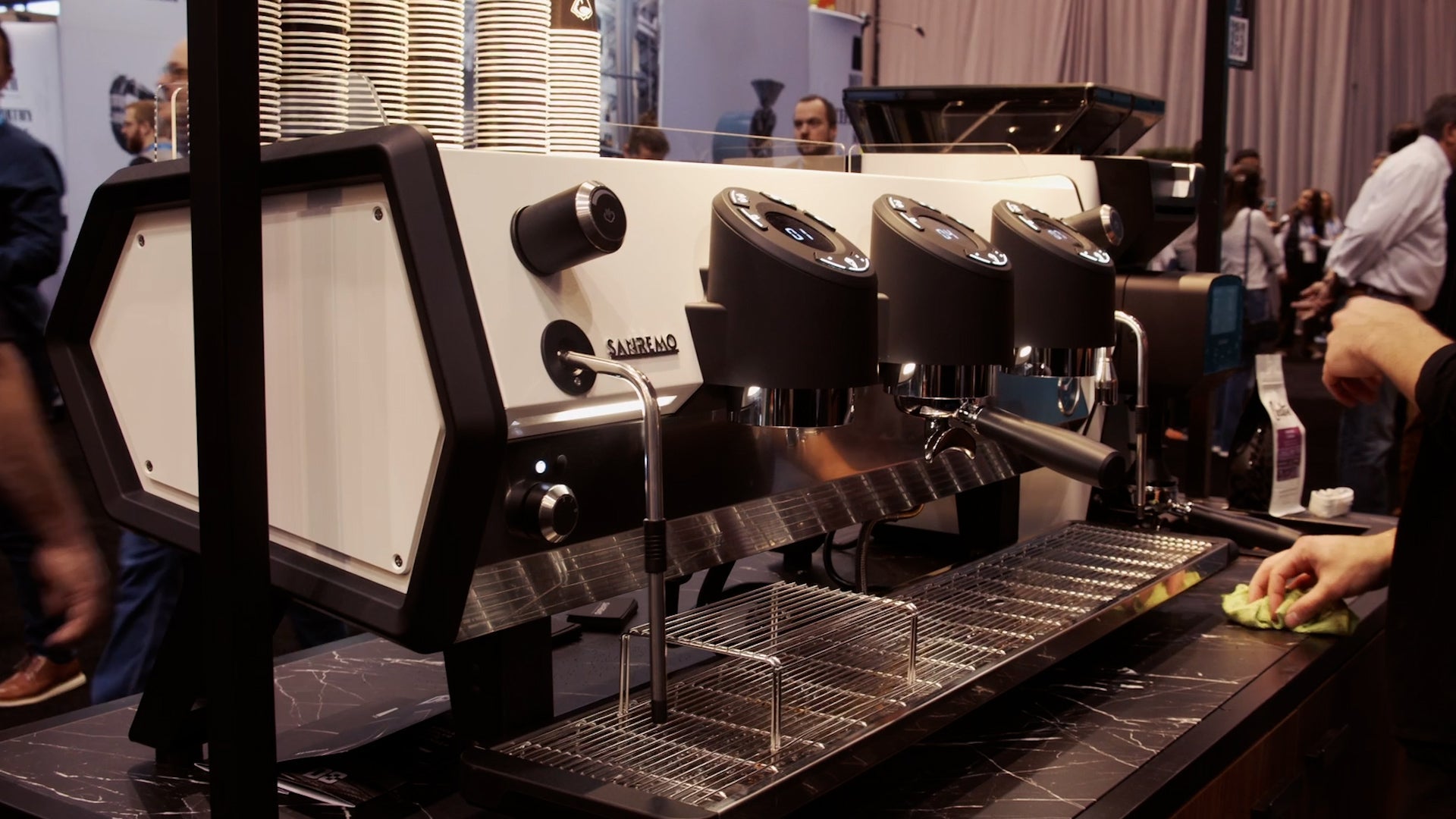
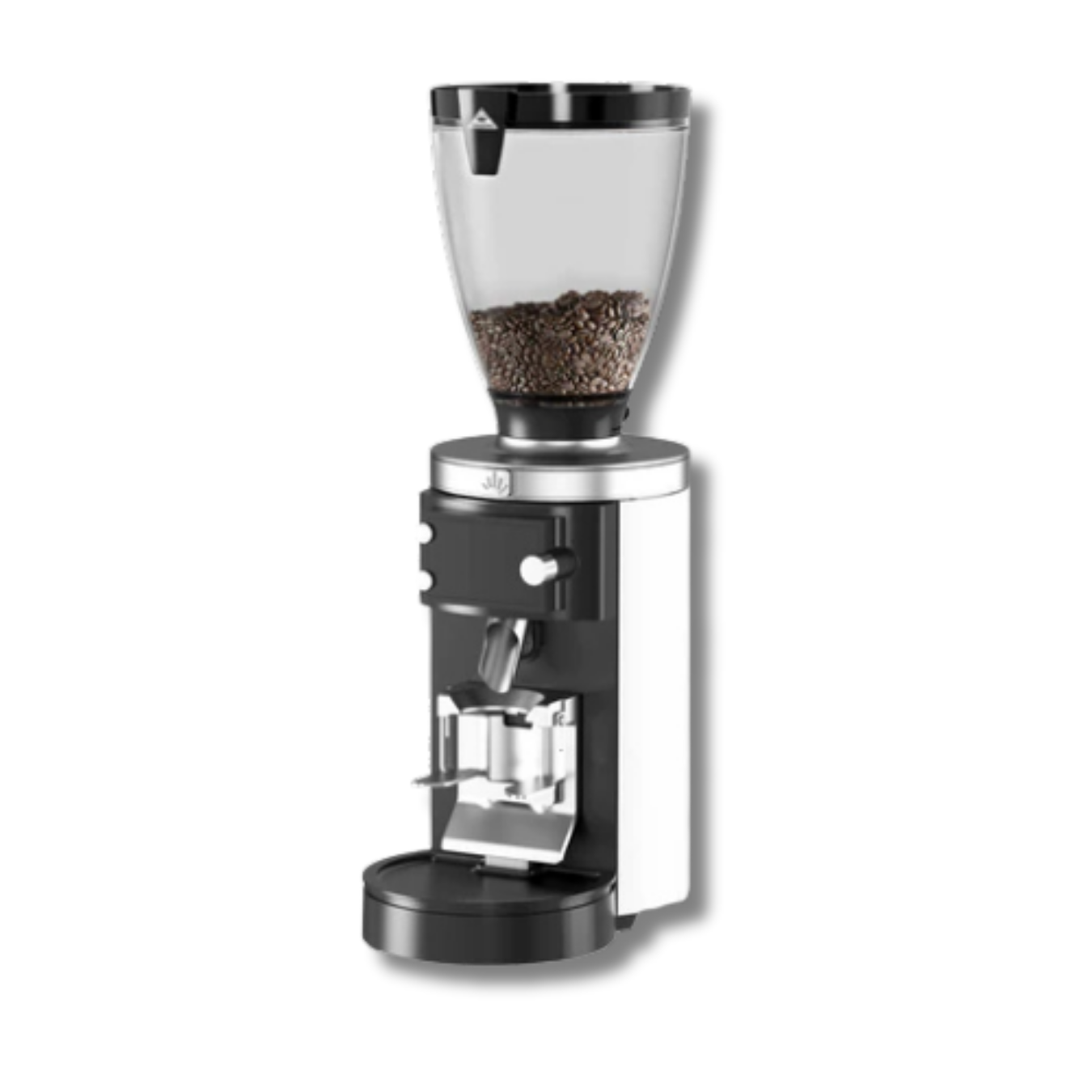
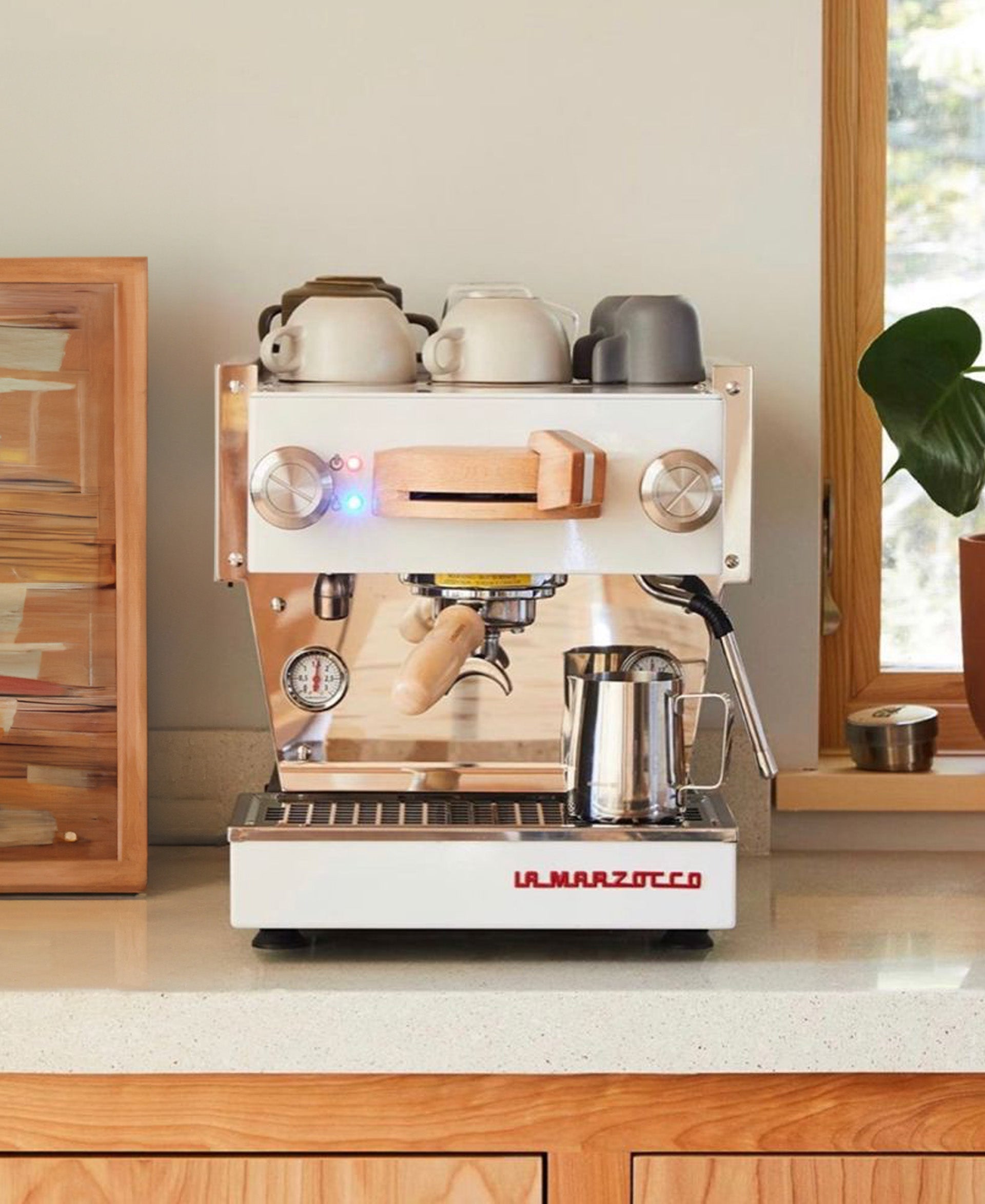
Spec a proper water treatment system, keep up with preventive maintenance, and treat your machine and grinder as revenue infrastructure, because that is exactly what they are. If you are building or upgrading your bar, the right commercial espresso machine and commercial grinder are the foundation that everything above sits on. For the full equipment-spec walkthrough, see our guide on how to spec a commercial espresso machine for your cafe.
Tie Equipment To Margin
An emergency service call during peak hours can run several hundred dollars, and the lost sales while the bar is down often cost more than the repair itself. A water treatment setup and an annual maintenance plan are not expenses; they are margin insurance. CMD's service team keeps common parts in stock and offers preventive maintenance on contract. Call (323) 592-3303 or email aaron@cmdepotusa.com.
Raising prices without losing customers
Most owners are terrified of a price increase. Done right, regulars barely notice and your margin recovers. Done wrong, you train customers to feel gouged. The difference is method.
- Move in small increments. A 25 to 50 cent increase on key drinks reads as normal. A sudden dollar jump reads as a story worth telling friends.
- Raise on a schedule, not in a panic. An annual review, ideally tied to a season change or a menu refresh, normalizes the increase. Customers expect prices to move once a year.
- Lead with value, not apology. If you upgraded your beans, added a barista, or refreshed the space, the price moved because the experience did. Do not apologize for charging fairly.
- Protect the anchor, adjust the edges. Keep your most price-sensitive item, often drip coffee, visibly reasonable, and take a little more on add-ons, flavored drinks, and larger sizes where price sensitivity is lower.
- Round to friendly numbers. Clean prices read as intentional and confident. Awkward prices read as a business that is scrambling.
The shops that struggle with price increases are almost always the ones that waited three years and then had to make up all the lost ground at once. Small and regular beats rare and large every time.
Margin-Protecting Equipment at CMD


The Bottom Line
Price from your real cost, anchor to the room, and protect the margin you earn.
Gross margins of 60% to 70% are easy; the 12% to 20% net that funds a real business is not. Know your cost per cup, anchor your menu to where your latte should sit, review prices at least annually, and pull every margin lever, including the equipment uptime most operators ignore. Do not bank on cheaper beans you have not received. If you want a read on whether your bar and your numbers can carry your concept, call (323) 592-3303 or email aaron@cmdepotusa.com. For a deeper look at what is moving across the counter this month, read Counter Intelligence: June 2026, and when it is time to keep the machine running, our service team is here.
Frequently Asked
What are coffee shop profit margins in 2026?
Beverage gross margins typically run 60% to 70%, but net margin, the figure that actually reaches the owner, is far lower. A well-run specialty shop reaches roughly 12% to 20% net at steady state, with about 15% a sensible planning midpoint. The first year is often 0% to 6%, improving to 6% to 14% in year two as systems tighten and volume builds. Labor and rent are the biggest factors separating gross from net.
How do I price espresso drinks?
Use two methods in sequence. First, cost-plus: take your fully loaded cost per drink and mark it up to hit your target gross margin, around 70%. That sets your floor. Second, market and value: check what comparable cafes charge and position relative to your quality and experience. Anchor the menu to where your latte should sit, then build the rest of the board around it. Cost-plus stops you from underpricing; market pricing captures the value upside.
How much does it cost to make a latte?
For a 12 ounce latte, ingredient cost typically totals about $1.00 to $1.55: coffee beans $0.40 to $0.60, milk $0.35 to $0.50, cup and lid $0.15 to $0.25, and syrups or other add-ons $0.10 to $0.20. At a $4.50 menu price, that is a gross margin near 72%. Remember this is gross only; it does not include labor, rent, or overhead, which is why net margin lands far lower.
What should I charge for a latte?
The latte is the most popular US order and the average price commonly sits around $4, though many metro and specialty bars charge $5 to $7. The right number for you depends on your location, positioning, and perceived quality far more than on ingredient cost. A skilled specialty bar should price above a drive-thru chain. Set your latte first, then anchor the rest of the menu to it.
Did coffee get cheaper in 2026, and should I lower prices?
The arabica C-market fell more than 20% in 2026 on a record Brazil crop, sitting around $2.70 per pound in June 2026. But roasted wholesale prices lag the commodity market, so most operators have not seen relief at the back door yet. Do not assume green-cost relief this quarter, and do not cut prices on beans you are not actually buying cheaper. Plan from the cost on your current invoice; treat any wholesale easing as margin upside when it arrives.
How do I raise prices without losing customers?
Move in small increments of 25 to 50 cents rather than rare dollar jumps, and raise on an annual schedule tied to a menu refresh so customers expect it. Lead with value, an upgraded bean or a better experience, rather than apology. Keep your most price-sensitive item visibly reasonable and take a little more on add-ons and larger sizes. Shops that wait years and then jump everything at once are the ones that lose regulars.