A Maintenance and Troubleshooting Guide
Grinder burrs do not fail on a schedule. They dull slowly, quietly stealing shot quality and wasting coffee for weeks before anyone notices. Here is how to know when your espresso grinder burrs are worn, how long they actually last, and how to build a tracking habit that catches the decline before it costs you customers.
Burrs are the cutting heart of every espresso grinder. Two hardened discs, ringed with teeth, that shear roasted beans into a uniform grind. They do enormous work: a busy bar can push hundreds of kilograms of coffee through a single set in a year. Like any cutting tool, they wear. The edges round over, the teeth lose their bite, and the grind quietly drifts from consistent to muddy.
The problem is that nobody hands you a warning. There is no error light. Burrs do not snap one morning and stop the line. They degrade gradually, and because the change happens shot by shot, your palate adjusts right along with it. By the time the coffee tastes obviously flat, you have likely been serving compromised shots for weeks.
This guide gives you two things: a realistic read on how long burrs last by material and volume, and a checklist of symptoms that tell you the set is done. Use both together, because neither one alone is reliable.
01 Why burrs wear out in the first place
Every bean that passes between the burrs takes a microscopic bite out of the cutting edges. Roasted coffee is harder and more abrasive than it looks, and dense, lighter roasts are tougher on steel than darker, more brittle roasts. Multiply that abrasion across tens of thousands of doses and the geometry of the teeth slowly changes.
Sharp burrs cut beans cleanly into particles of similar size. Worn burrs crush and tear instead of slicing, which produces a wider spread of particle sizes: more oversized chunks and more dust-fine fines at the same time. That mix is the enemy of espresso. The fines over-extract and turn bitter while the chunks under-extract and stay sour, and the cup ends up muddled rather than balanced.
This is why a worn set is so easy to miss. The grinder still runs. The shots still pour. The decline shows up as a loss of clarity and sweetness, not as a hard stop, so you have to look for it on purpose.
02 Grinder burr lifespan: the numbers that get cited
There is no single replacement date, but there are widely cited ranges worth knowing. Consumer steel burrs are commonly rated for roughly 450 kg, about 1,000 lb, of coffee before they should be replaced. Ceramic burrs are typically rated lower, around 340 kg or about 750 lb, because while ceramic holds an edge well, it is more brittle.
Treat those figures as guidance, not law. They come from consumer-grade equipment and represent the point at which most users would notice meaningful decline, not a cliff where the burrs suddenly stop working.
Commercial flat burrs and coated burrs are a different conversation. Larger commercial flat sets and burrs treated with hard coatings such as titanium nitride typically last meaningfully longer than consumer steel, often well beyond those figures. The bigger diameter spreads wear across more cutting surface, and the coating resists abrasion. Do not apply a home-grinder lifespan number to a commercial grinder, and do not assume a commercial number protects a consumer machine.
| Burr Material | Typical Cited Lifespan | Notes |
|---|---|---|
| Consumer steel | ~450 kg (about 1,000 lb) | Most common in home and prosumer grinders. Cited range, not a hard limit. |
| Ceramic | ~340 kg (about 750 lb) | Holds an edge well but more brittle than steel. Lower rated lifespan. |
| Commercial flat (steel) | Well beyond consumer figures | Larger diameter spreads wear over more cutting surface. |
| Coated (titanium nitride, etc.) | Well beyond uncoated steel | Hard coating resists abrasion. Common on premium commercial sets. |
The pattern is simple. Material and diameter both matter, consumer numbers do not transfer to commercial equipment, and every figure here is a guideline you confirm against what you taste and measure.
Key Takeaway
Burrs dull gradually, not all at once. The reliable method is tracking kilograms ground plus watching for symptoms, never waiting for a single failure point. A worn set keeps working while quietly costing you shot quality and wasted coffee.
03 Map your volume to a replacement interval
The most useful version of these numbers is the one matched to your own throughput. Once you know roughly how much coffee you grind, you can estimate when you will hit the range and set a tracking habit around it.
A busy espresso bar can easily replace burrs once or twice a year. A low-volume home user grinding about 1 lb per week could go years on a single set. Both can be right, because the only variable that matters is total coffee ground, and those two cases differ by orders of magnitude.
Here is a simple cafe framework. Estimate your daily kilograms ground from your drink count and dose. A bar pulling 250 drinks a day at roughly 18 to 20 g per dose grinds about 4.5 to 5 kg per day. Over a six-day week that is roughly 27 to 30 kg, and across a year it climbs well past 1,400 kg. A consumer steel set rated near 450 kg would be exhausted in a matter of months at that pace, which is exactly why high-volume bars plan on replacing burrs on a regular cycle rather than waiting for trouble.
From drink count to replacement cadence
250 drinks/day at 18 to 20 g/dose equals roughly 4.5 to 5 kg ground per day. Over a six-day week that is about 27 to 30 kg. At that volume, a set rated near a few hundred kilograms is worth inspecting within a few months, and a busy bar will commonly cycle burrs once or twice a year. Scale the math up or down to your own counts to find your interval.
Run the same arithmetic for your own bar. Multiply your average daily drinks by your dose in grams, divide by 1,000 to get kilograms, and you have a daily figure. From there, a weekly and annual estimate falls out, and you can see roughly how many months it takes to approach the cited range for your burr material.
04 The signs your burrs are worn
Tracking volume tells you when to start paying attention. Your senses tell you when the set is actually done. These are the symptoms of worn espresso grinder burrs, and they tend to arrive together rather than one at a time.
- Flat, lackluster shots even when freshly dialed. The single clearest sign. You hit the right dose, yield, and time, and the cup still tastes muted and dull. Sweetness and clarity fade first.
- The grinder runs louder, hotter, and slower. For the same dose, dull burrs labor harder. You will hear a rougher, louder grind, feel more heat at the chute, and notice the grind taking longer than it used to.
- You keep dialing finer to hit the same shot time. If you find yourself creeping the grind finer month after month just to keep your extraction time where it was, the burrs are losing their cut and you are compensating for it.
- More clumping and fines. Worn burrs produce more dust-fine particles and more clumps in the grounds. Clumpy, uneven grinds that need extra distribution work are a tell.
- Inconsistent extraction. Shots that used to pour the same now scatter: one channels, the next runs fast, the next chokes. Rising shot-to-shot variance with no other change usually points back to the burrs.
One symptom on its own can have other causes. Stale coffee, a dirty grinder, or a humidity swing can each mimic a single sign. When several of these show up at once, and especially when they coincide with high kilograms ground, the burrs are the answer.
05 Build the tracking habit
The operators who never get surprised by worn burrs all do the same thing: they keep a log. You do not need software. A note by the grinder or a line in a daily open or close sheet is enough.
Log kilograms ground or shots pulled. If your grinder has a dose counter, read it on a schedule. If it does not, track bags of coffee through the grinder, since a known bag weight is an easy way to estimate cumulative kilograms. Either way, the goal is a running total you can compare against the cited range for your burr material.
Pair the log with a periodic visual inspection. Pull the burrs on a maintenance schedule and look at the cutting edges. Sharp burrs have crisp, defined teeth. Worn burrs show rounded, chipped, or shiny edges where the geometry has worn away. If the edges look dull to the eye, they are dull in the cup.
When the numbers and the symptoms agree, replace the set. Do not nurse a worn set across another month to save on parts, because the coffee you waste and the shots you compromise cost more than the burrs.
06 Replacing burrs: do it as a set
A few rules make the swap clean and keep your grinder calibrated afterward.
Replace burrs as a matched set
Always replace both burrs together. They wear as a pair, and mixing a fresh burr with a worn one gives you uneven cutting and an inconsistent grind. Buy the correct set for your specific grinder model.
Recalibrate after install
New burrs change your zero point and your reference setting. Expect to re-dial from scratch. Your old grind setting will not produce the same shot on fresh burrs, so reset your expectations and dial in as if on a new grinder.
Season the new burrs
Fresh burrs need a break-in period. Run a quantity of coffee through them, then re-dial, because the grind can shift as the new edges settle. Seasoning with throwaway or cheaper beans before you finalize your setting is standard practice.
If you would rather not pull the grinder apart yourself, or you run a fleet of commercial grinders and want the work done right, our service team handles burr replacement, calibration, and preventive maintenance. You can reach CMD service directly, call (323) 592-3303, or email aaron@cmdepotusa.com.
When It Is Time for a New Grinder

Cafe Standard // Grind by Set
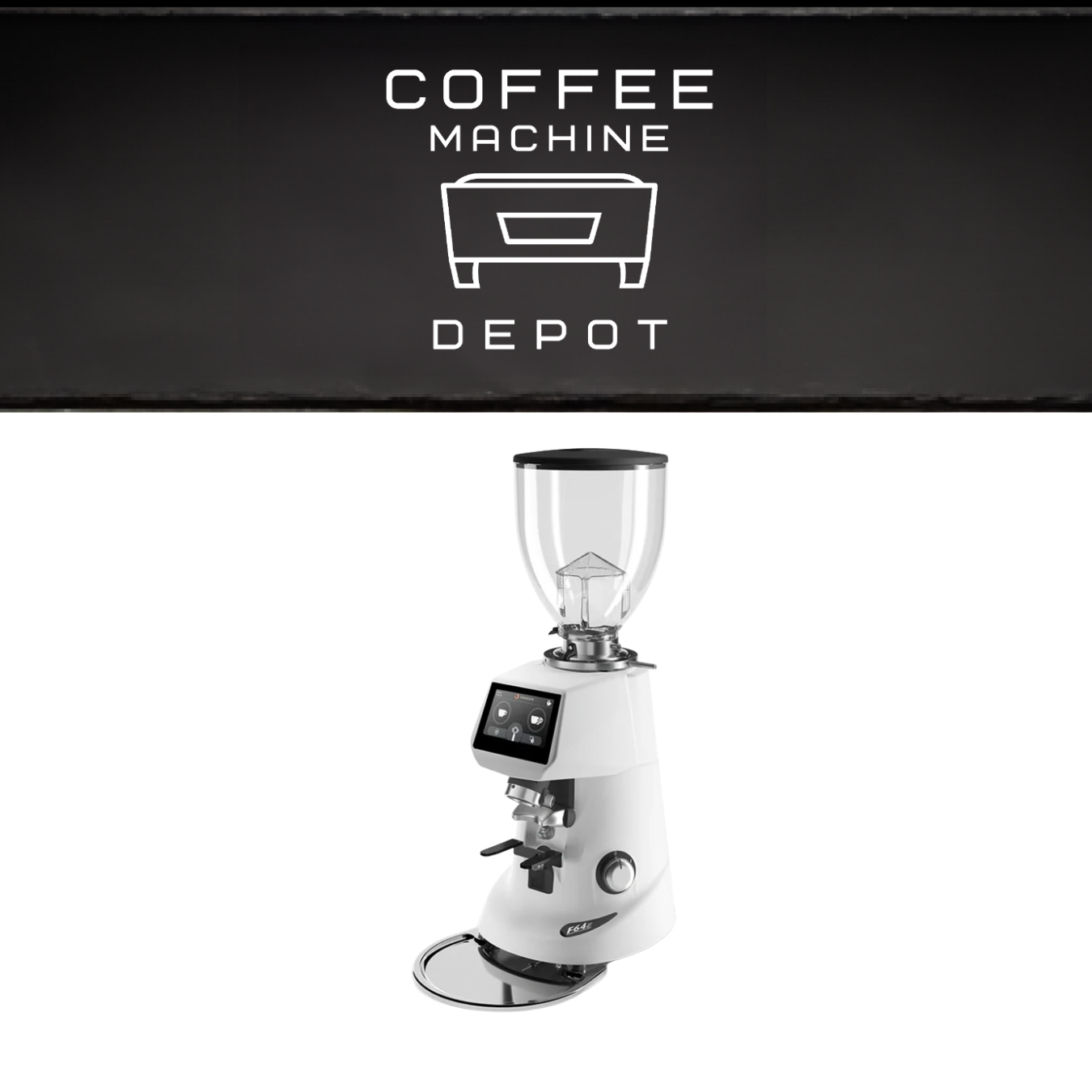
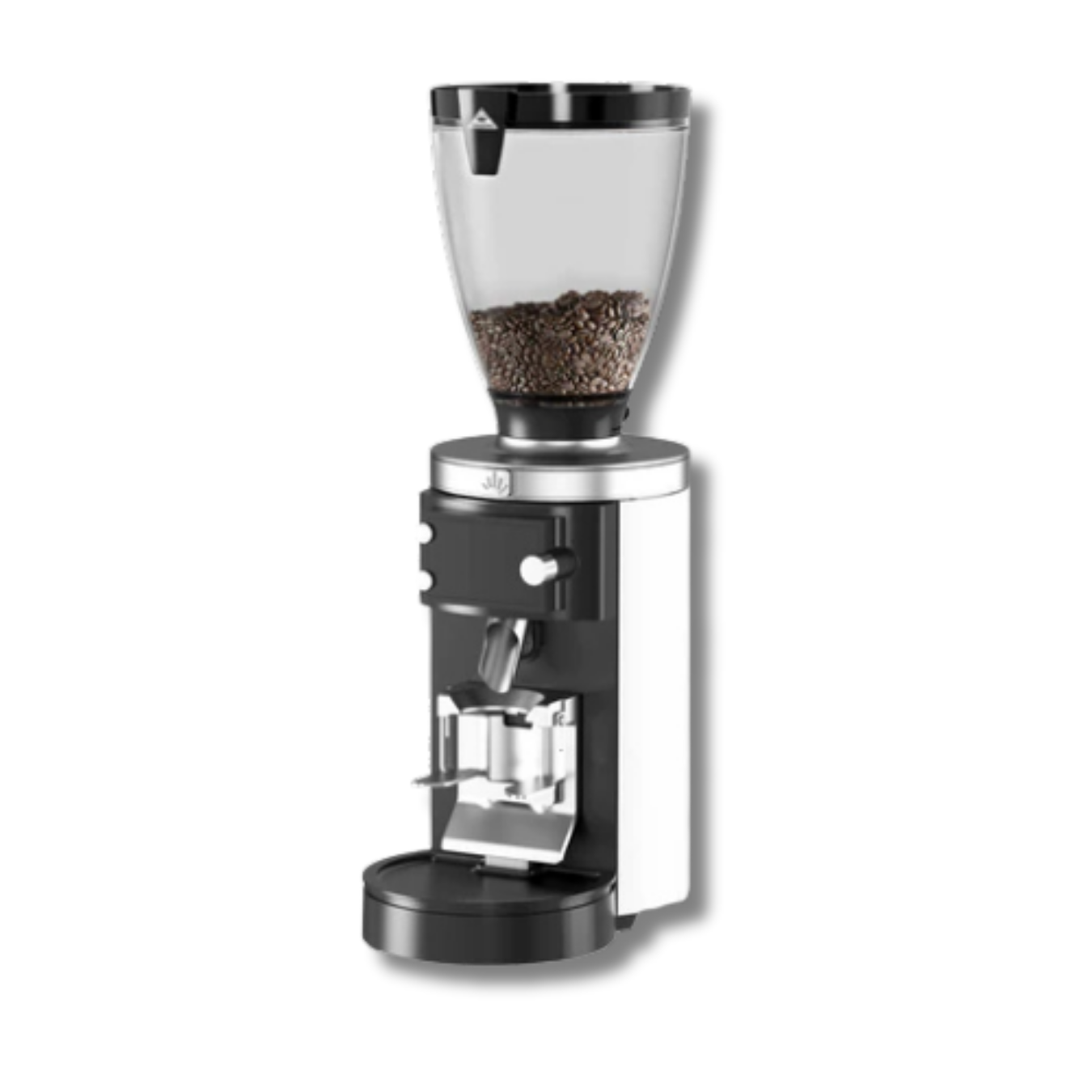
Mahlkonig E65T GbS Commercial Espresso Grinder
$2,599 Free Shipping + Click Lease Shop the E65T GbS →If your current grinder is fighting you on consistency and the burrs are already worn, it can be the moment to step up to a better grinder rather than just re-burring an aging one. Our roundup of the best commercial espresso grinders for 2026 walks through the options by volume and use case.
The Bottom Line
Track your kilograms, watch for the symptoms, and replace as a set before the cup gives you away.
Burr lifespan is a range, not a date: roughly 450 kg for consumer steel, around 340 kg for ceramic, and meaningfully more for commercial and coated sets. The operators who never get caught out keep a simple log of coffee ground and pair it with their palate. When flat shots, a louder and hotter grinder, creeping-finer settings, and rising clumping all show up together, the burrs are done. Replace both at once, recalibrate, and re-season. If you want it handled, call (323) 592-3303 or email aaron@cmdepotusa.com.
Frequently Asked
How do I know when to replace my grinder burrs?
Use two signals together. First, track total coffee ground against the cited lifespan for your burr material, roughly 450 kg for consumer steel and around 340 kg for ceramic. Second, watch for the symptoms of wear: flat, muted shots even when freshly dialed, a grinder that runs louder, hotter, and slower, a setting you keep pushing finer to hit the same shot time, and more clumping, fines, and inconsistency. When the volume and the symptoms agree, replace the set.
How long do espresso grinder burrs last?
It depends entirely on material and volume. Consumer steel burrs are commonly rated for roughly 450 kg, about 1,000 lb, of coffee, and ceramic burrs for around 340 kg, about 750 lb. Commercial flat burrs and coated burrs such as titanium nitride typically last meaningfully longer. In practice, a busy espresso bar may replace burrs once or twice a year, while a home user grinding about 1 lb per week could go years on one set.
What are the signs of worn espresso grinder burrs?
The main signs are flat, lackluster-tasting shots even when freshly dialed; a grinder that runs louder, hotter, and slower for the same dose; needing to dial finer over time to hit the same shot time; more clumping and fines in the grounds; and inconsistent shot-to-shot extraction. One sign alone can have other causes, but several at once, especially alongside high kilograms ground, point to worn burrs.
Should I replace both burrs or just one?
Always replace both burrs as a matched set. They wear together as a pair, and pairing a new burr with a worn one produces uneven cutting and an inconsistent grind. Buy the correct burr set for your specific grinder model, and after installation, recalibrate and re-season the burrs by running coffee through them before you finalize your grind setting.
How do I track grinder burr wear in a cafe?
Keep a log of kilograms ground or shots pulled, using your grinder's dose counter or by tracking bags of coffee through the machine. To estimate daily volume, multiply your daily drink count by your dose in grams; a bar pulling 250 drinks a day at 18 to 20 g grinds roughly 4.5 to 5 kg per day. Compare your running total against the cited lifespan for your burrs, and pair the log with periodic visual inspection of the cutting edges.
Can Coffee Machine Depot replace and service my grinder burrs?
Yes. Our service team handles burr replacement, recalibration, and preventive maintenance on commercial and prosumer grinders, and we stock common burr sets and parts. If you would rather not pull the grinder apart yourself or you run a fleet of machines, visit our service page, call (323) 592-3303, or email aaron@cmdepotusa.com to set it up.